When Phoenix schools closed during the pandemic, Janelle Wood didn't wait for permission. She and other Black mothers launched their own microschools, proving that parents can drive meaningful education reform. Their work with the Black Mothers Forum shows how family-led advocacy paired with innovative learning models can dismantle barriers and create new pathways for kids.
You don't need a policy degree or large funding sources to spark change in your community. Whether you're exploring microschool partnerships, organizing local advocacy efforts, or building supportive learning environments at home, small actions create big impact. Ready to take charge of your child's learning? Explore Outschool's core academics and enrichment classes to build a personalized plan.
Why parent advocacy and innovation accelerate education reform
Parents sit at the intersection of love and learning, watching their children navigate educational systems every single day. This unique vantage point makes parent advocacy in education reform particularly powerful. When parents step into advocacy roles, they bring something schools and policymakers often lack: consistency and urgency rooted in deep personal investment. Research from Brookings shows that effective family engagement creates lasting change because parents stay invested across multiple school years and community shifts.
Parents provide the constant voice that drives real change
Families remain deeply invested in their child's educational journey from kindergarten through graduation, creating a consistency that gives parent voices unique power to influence what gets funded, scheduled, and supported. Research from the Annie E. Casey Foundation confirms that when families engage in advocacy, schools see improved outcomes and more responsive programming. Parents who understand their rights, like those learning about IEP accommodations, can advocate more effectively for systemic improvements that benefit all learners.
This consistency also enables innovation that meets real needs faster than policy
Micro schools, learning pods, and flexible online classes respond to what families need right now, not what traditional policy timelines allow. Parents can create personalized solutions while educational systems work through longer change processes. Families managing specific learning differences, whether supporting ADHD learners or creating inclusive environments for autistic children, often develop approaches that later inform broader educational practices. Platforms like Outschool's flexible learning options allow parents to fill gaps immediately while advocating for longer-term systemic changes.
Building from these innovations, small wins create the trust needed for bigger changes
Community trust grows when parents lead with empathy, share concrete data, and offer doable pilots rather than abstract complaints. Harvard research demonstrates that family engagement strategies work best when they start small and build relationships. Parents who document what works in their own learning environments create evidence that schools and communities can replicate and scale.
A practical advocacy playbook parents can start this month
Real change happens when parents move from concern to action with a clear plan. You don't need a large network or budget to start making a difference.
Here's how to start with what you have. The most effective parent advocates combine personal stories with local data, then propose small tests that schools can easily say yes to.
- Run weekly 25-minute parent power hours to collect stories, set one focused goal, and assign specific next steps
- Pair two family experiences with one local data point when presenting concerns to administrators or school boards
- Week 1: Listen actively to other parents and write down specific challenges your kids face at school or in learning
- Week 2: Map your allies including teachers, other parents, and community members who share your concerns
- Week 3: Test a small pilot like a learning preferences assessment or understanding accommodations workshop
- Week 4: Share results and invite school leaders or other families to expand what worked
This approach shows how parents can become effective advocates for education reform in their communities by starting small and building momentum. The Reading Rockets advocacy guide offers additional strategies for presenting your case with confidence.
When schools move slowly, advocacy and innovative learning options work hand in hand to support your child's growth right now.
Micro schools, school choice, and supportive environments inspired by Janelle Wood
Janelle Wood's work with the Black Mothers Forum demonstrates how innovation in education micro schools and school choice can create spaces where kids thrive. Her Phoenix-based micro schools maintain 5:1 student-to-teacher ratios and mix different grade levels so kids can learn at their own pace instead of being pushed ahead by age. These relationship-rich environments center belonging and restore positive relationships to interrupt harsh discipline patterns that push kids away from learning.
Parents don't need to wait for formal micro schools to apply these principles. You can adapt these approaches at home by establishing clear daily rhythms, incorporating culturally affirming content, and tracking competency-based progress rather than rushing through grade-level expectations. When local micro school options aren't available, families can pair community-based learning with flexible online classes. Outschool's partnerships with micro schools and co-ops show how live small-group classes can extend core subjects like math and science while offering enrichment in arts, coding, and social skills that fit your family's unique schedule and values.
$20 off your first class WITH promo code: blog
Build the Education your Kid Deserves
Discover thousands of live classes taught by expert teachers, across academics and enrichment.
Browse classesFAQ: Lessons from Janelle Wood's approach and how parents can apply them
Many homeschooling parents feel called to create change beyond their own families but wonder where to start. These questions explore lessons parents can learn from Janelle Wood for advocacy and learning environments, offering concrete steps to build community impact while supporting your own learner's growth.
What specific steps did Janelle Wood take to disrupt the school-to-prison pipeline through micro schools?
Wood created small learning groups with 8-12 kids and two guides per classroom. She replaced punishment with problem-solving conversations and used proven math programs like Zearn. Her schools operate in community spaces to stay tuition-free and accessible.
How can parents start advocacy without a large network or budget?
Host coffee conversations with 3-4 other parents to share concerns and brainstorm solutions. Use free community spaces like libraries or parks. Start with one small pilot project, document what works, then invite more families to join your efforts.
How do micro schools ensure quality while expanding access for underserved learners?
Wood maintains small groups with clear learning goals and regular check-ins on each child's progress. Quality comes from teaching that reflects families' values, using programs that work, and creating safe spaces where kids solve problems together instead of facing punishment.
What can homeschooling parents learn from Wood's community-centered approach?
Connect with families who share your goals through learning pods or co-ops. Pool resources for field trips, share teaching strengths, and support each other's advocacy work. Small, relationship-focused groups often achieve more than trying to change large systems alone.
How can online classes support community-based learning initiatives?
Platforms like Outschool can fill subject gaps when parents collaborate on micro schools or pods. Use live classes for core subjects and enrichment topics that individual families might struggle to teach. This combination gives kids personalized attention locally plus expert instruction online.
Bring it home: Build your child's personalized plan and fuel your advocacy
Parent-led advocacy works best when paired with individualized learning that meets your child where they are. Research shows that personalized learning approaches lead to stronger academic gains, especially when families stay actively involved in goal-setting and progress tracking. The good news is that creating this kind of tailored approach doesn't require a complete overhaul.
Start with a simple one-page plan that lists your learner's goals, identifies a 30-day advocacy focus for your community, and includes two flexible class options to fill skill gaps. The Vermont Agency of Education recommends treating these plans as living documents that adapt as your child grows and discovers new interests.
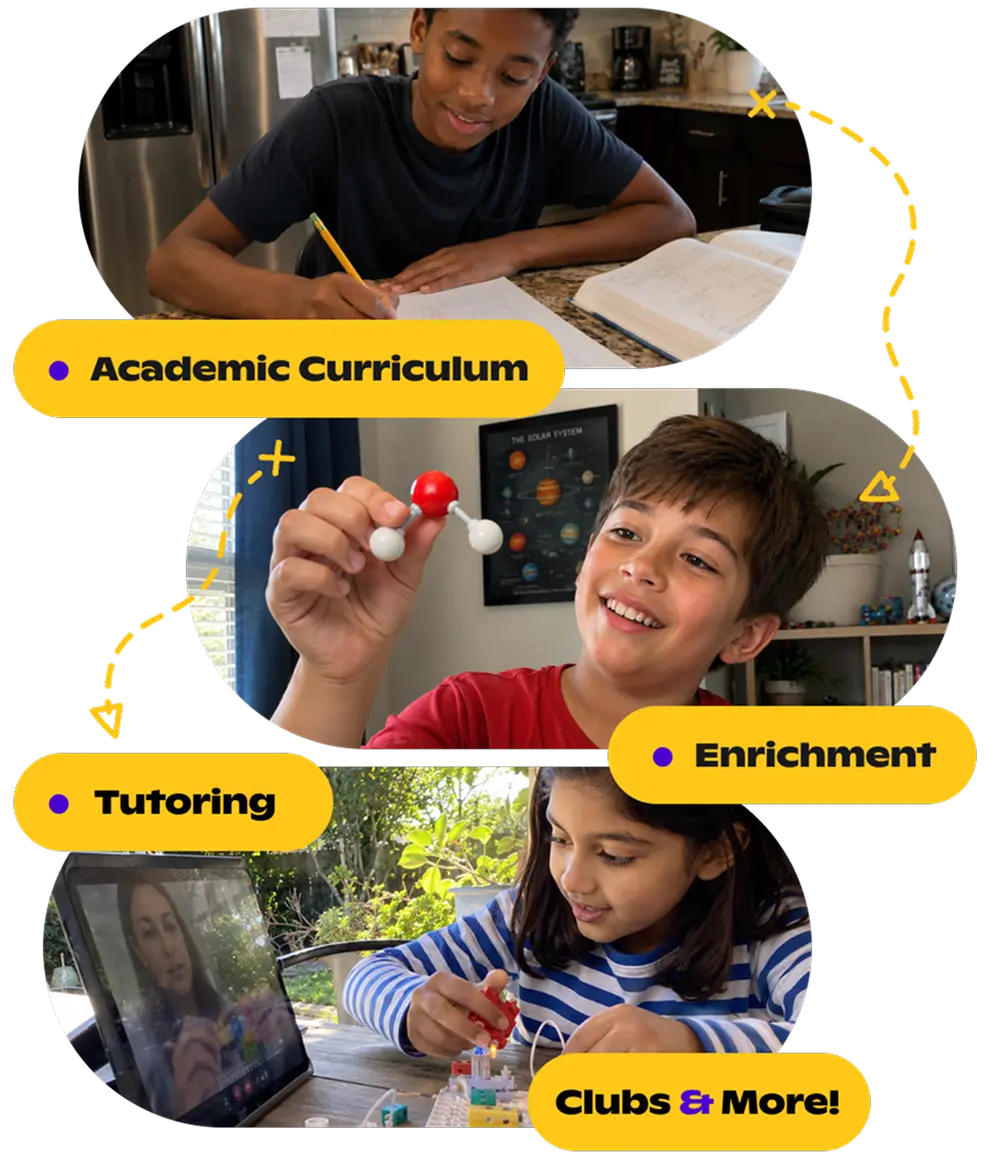
Whether you're advocating for better options in your local schools or creating a rich learning environment at home, having flexible access to both core subjects and creative enrichment gives families the tools they need. Outschool offers live classes, tutoring, and self-paced options across math, reading, science, arts, coding, and more, so you can build a learning plan as unique as your child and set up weekly check-ins to track your child's progress and celebrate their wins.
Content adapted from the Outspoken podcast episode, “Janelle Wood on Advocacy, Education Reform and Innovation to Transform Communities”



.svg)
.svg)