TLDR: The best online summer programs for kids in 2026 offer live instruction, flexible scheduling, and topics that go way beyond worksheets. Whether you're looking for a structured camp experience or a low-key enrichment class to keep your kid's brain buzzing, there's a format that fits how your family runs. Outschool's online summer camps let kids choose from hundreds of interest-led options by age, subject, and schedule, so they get the summer learning that sticks.
Why online summer programs are having a moment
Every summer, thousands of families google the same thing: "how do I keep my kid learning without killing the vibe?" The answer, for a growing number of parents, is online summer programs. Not because they want to replicate school at home, but because the options have genuinely gotten better.
Virtual programs have evolved well past the awkward Zoom sessions of 2020. In 2026, live online camps run by real specialists can mean your kid spends a week learning game design, improv comedy, marine biology, or advanced Python, all without a single worksheet in sight.
And the scheduling flexibility doesn't hurt. When your kid can drop into a week-long animation camp in the morning and still make it to the pool in the afternoon, summer starts looking like it can have it all.
Research backs this up. RAND Corporation's Making Summer Count report found that summer programs with consistent attendance, small group sizes, and individualized instruction produce the strongest academic outcomes [1]. The format matters less than those three ingredients.
What to look for in an online summer program
Not all programs are built the same, and the differences matter more than the marketing copy. Here's what separates a good program from one your kid logs off of by Day 2:
- Live instruction over recorded content. Kids engage differently with a real person who can respond to them in the moment. Pre-recorded video courses have their place, but for a camp experience, live interaction is what makes it stick.
- Small group or 1-on-1 format. If your kid will be one of 200 attendees watching a presenter talk, that's a webinar, not a program. Look for sessions where the instructor knows your child's name.
- Topic alignment with your kid's interests. A program about a topic your kid chose themselves will get more engagement than one you picked because it looked impressive. This sounds obvious. It rarely gets applied.
- Age-appropriate structure. A 7-year-old and a 13-year-old need completely different pacing, expectations, and social dynamics. Programs designed for a wide age range often serve no one well.
- Flexible scheduling options. Summer plans are notoriously unstable. Look for programs with rolling start dates, short-term formats, or the ability to drop in on individual sessions.
Types of online summer programs for kids
Virtual summer camps
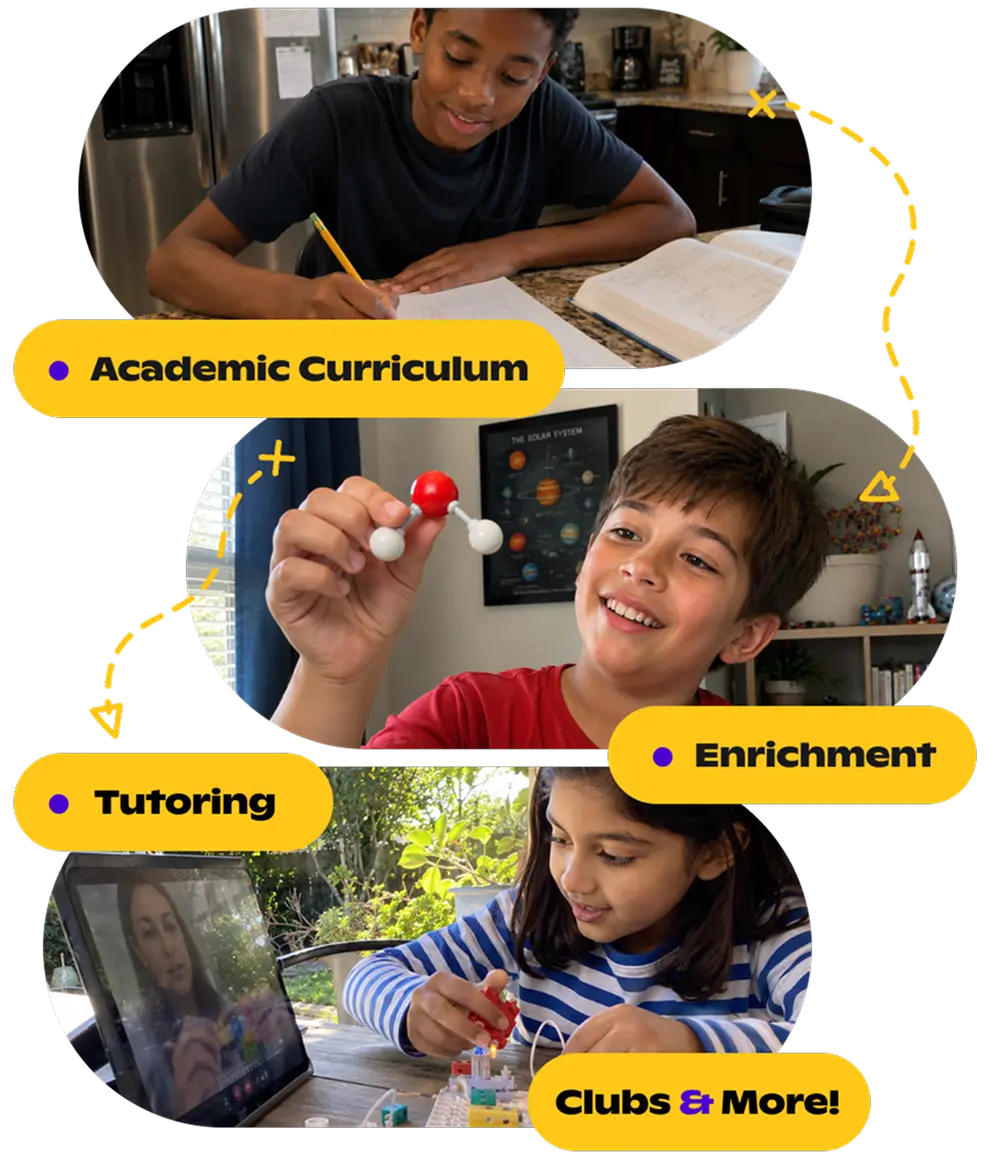
These are the closest equivalent to a traditional summer camp: structured around a theme, run over multiple consecutive days or weeks, with a group of kids who attend together. Topics range widely, from coding camps and art camps to more niche options like robotics, filmmaking, or game development. Outschool's virtual summer camps span hundreds of themes, run live with teachers who specialize in the subject, and are organized by age group so kids work with peers at a similar stage.
Online enrichment classes
Not every family wants the full camp experience. Some kids do better with a class or two a week, something that keeps their skills warm without filling up the schedule. Enrichment classes work well for kids who are passionate about one specific subject, or for families who want to use summer to build a skill that school doesn't cover: chess strategy, creative writing, graphic design, or conversational Spanish.
Academic summer programs
These skew more structured, designed to reinforce or advance academic skills in subjects like math, reading, or science. They're a good fit for families whose kids are behind in a subject, preparing for a more demanding school year ahead, or genuinely love the material and want to go deeper. Outschool's online academic summer camps sit at the intersection of structured learning and engaging instruction, so it doesn't have to feel like remediation.
1-on-1 online tutoring
Summer is one of the best times to address specific skill gaps with a dedicated tutor. Lower pressure than the school year, more scheduling flexibility, and room to work at the kid's pace. 1-on-1 tutoring on Outschool lets you match with a tutor by subject, schedule, and teaching style, and book sessions that fit your summer calendar rather than a rigid weekly slot.
Interest-led clubs and groups
For kids who thrive socially but need the right context, ongoing clubs are a low-pressure way to keep learning moving. A weekly writing circle, a gaming club, or a book group with peers who read the same genre: these kinds of formats keep the social side of learning alive over the summer months.
Best online summer programs for kids in 2026
There's no shortage of options. Here's how the major platforms compare:
Outschool
Outschool is the largest marketplace of live online classes, camps, and tutoring for kids ages 3 to 18. What sets it apart for summer is the combination of sheer variety (over 100,000 classes across every subject imaginable) and the live, small-group format. Sessions are taught by real specialists: working artists, credentialed educators, engineers, professional writers. They're sized so your child isn't lost in a crowd.
For summer specifically, you can filter by week-long camps, multi-day workshops, or one-time sessions to match your family's schedule. Camps cover everything from beginner coding to advanced marine science to musical theater to Minecraft modding. Browse summer options by topic, age, and price.
iD Tech
iD Tech specializes in tech and STEM programming: coding, game development, robotics, and AI. Their virtual camps tend to run at a higher price point and skew toward middle and high school students. A solid option for a kid who's serious about STEM and wants a more intensive, credential-focused experience. For a broader look at online STEM summer camps, we've compared the major options.
Khan Academy
Khan Academy is free and self-paced, which makes it an easy add-on for families who want supplemental academic practice without signing up for anything formal. It doesn't replicate the social or live instruction elements of a camp, but it's a reliable tool for skill maintenance between other activities.
Varsity Tutors
Varsity Tutors offers live online tutoring and some virtual camp-style programs. Their academic options are strong, but they tend to be pricier than marketplace alternatives and less flexible on scheduling.
How much do online summer programs cost?
- Self-paced or free platforms: $0 (Khan Academy, some library programs)
- Single enrichment classes: $10 to $50 per session, depending on length and format
- Week-long virtual camps: $50 to $300, depending on provider and intensity
- 1-on-1 live tutoring: $30 to $100+ per hour depending on the tutor and subject
- Specialized STEM or intensive programs: $300 to $800+ per session
Families using Education Savings Account (ESA) funds can often apply those toward qualified online programs and tutoring, so if you're an ESA-funded family, it's worth checking whether your program qualifies before paying out of pocket. Outschool is an ESA-eligible provider in most states.
How to pick the right program for your kid
The most useful filter isn't the program's rankings or reviews. It's your kid's own answer to: What do you want to do this summer? Let that answer drive the search. Then apply these practical filters:
- How many hours a week can they realistically commit? Summer plans fill up fast. A daily camp is easy to underestimate until travel and activities collide.
- Do they want to be with other kids or learn solo? Some kids thrive in a group dynamic. Others do better one-on-one.
- Is there a specific goal: skill-building, enrichment, or just fun? Academic programs are built differently than interest-led camps. Both are valid; they just serve different needs.
- What's the format flexibility? If your summer involves travel, look for programs that let you pause, cancel, or rebook sessions without penalty.
If you're trying to prevent the summer slide without turning summer into school, that guide covers what the research says works and what doesn't.
Frequently asked questions
What age are online summer programs best for?
Most live online programs work well for kids ages 5 and up, though younger kids do best with shorter session times (30 to 45 minutes) and a parent nearby. Outschool has programs starting at age 3, with session length and pacing designed by age group.
Can my kid do more than one program at a time?
Yes, and this is one of the real advantages of the online format. A kid can do a morning coding camp three days a week and a weekly creative writing class without conflict. Just make sure the total hours feel manageable and still leave room for unstructured time.
Are online summer programs as good as in-person?
They're different, not lesser. Online programs offer more variety, more flexibility, and access to specialists who wouldn't exist locally. In-person programs offer a different kind of social experience and physical environment. Many families do both: an online program during the week and a local activity for the social element.
Do online summer programs count for homeschool records?
In most states, yes, especially if the program involves live instruction and has a completion record. Outschool provides enrollment documentation that many homeschool families use for their portfolios and records.
Sources
[1] McCombs, J.S., Augustine, C.H., Schwartz, H.L., et al. Making Summer Count: How Summer Programs Can Boost Children's Learning. RAND Corporation, 2011. rand.org/pubs/monographs/MG1120.html



.svg)
.svg)

