When the pandemic hit, families didn't wait for permission to reimagine learning. Research shows that parents and caregivers launched thousands of learning pods and microschools, proving that transformative learning starts at kitchen tables. These grassroots efforts spread through neighborhoods, creating personalized learning environments that traditional systems couldn't match.
These family-led innovations demonstrate a powerful truth about driving community-driven change. You can lead with local needs, run practical pilots, and reflect on what works. Whether you're exploring parent-tutor approaches or scaling community learning efforts, platforms like Outschool offer the flexibility to support your vision. Start exploring Outschool's comprehensive classes to build a learning plan as unique as your community's needs.
Why families lead the way in community-driven education
When parents see their child struggling with fractions or losing interest in reading, they don't wait for district meetings or policy changes. They take action because they understand what their child needs right now. This immediate response creates the foundation for broader community change. How can families lead community-driven change in education systems? The answer lies in their unique position as daily observers of what works, what doesn't, and what sparks genuine excitement in their kids.
Parents see what others miss
You know your child's learning patterns better than anyone. Research shows that families who made active schooling choices during the pandemic—choosing remote learning, forming pods, or supplementing with tutoring—saw measurable differences in their children's motivation and engagement. Parents notice when math anxiety peaks at 3 PM or when a child lights up during hands-on science experiments. This daily insight lets families set goals that actually matter, creating faster progress than broad institutional reforms.
Small pilots create big wins
The most successful community learning efforts start narrow and focused. Learning pods that worked best during the pandemic concentrated on specific outcomes like reading fluency or social connection rather than trying to replicate entire school days. A 35-day pilot targeting one skill, like math facts or phonics, gives families concrete results to build on. When you can measure progress weekly, you stay motivated and can adjust quickly.
Flexible platforms power community solutions
Traditional systems move slowly, but families need solutions now. When communities come together around shared learning goals, platforms like Outschool become the bridge between individual family needs and collective action. You can create lesson plans that blend core academics with passion projects, keeping kids engaged while addressing learning gaps. This flexibility means families can pilot new approaches together without waiting for institutional approval or curriculum changes.
The Liberator Model: empowering parents as effective tutors
The Liberator Model proves that parents can become powerful tutors with the right structure and guidance. Developed by Oakland REACH, this approach trains community members to deliver focused, high-impact practice sessions that build real skills in literacy and math.
- Start with assessment results to find out exactly where your child needs help, then focus sessions on those specific gaps
- Follow the 39-minute weekly planning routine to choose goals, gather materials, and map out five short practice sessions
- Deliver 12-15 minute focused sessions using simple routines that build accuracy and speed while keeping sessions manageable
- Create celebration moments with weekly showcases where kids demonstrate their progress and feel proud of their growth
- Combine home tutoring with live reinforcement through targeted classes that strengthen skills while exploring interests
Research from the Center on Reinventing Public Education shows this community-rooted approach works because parents understand their children's learning styles and can adapt quickly. When you pair your home sessions with Outschool's tutoring, or math classes, you create a complete learning system that addresses both skill gaps and keeps motivation high through interest-based learning. Learn more about using Outschool as a parent to coordinate your home efforts with platform-based assistance.
From pilot to movement: scaling grassroots educational initiatives
Building on the Liberator Model's success, families naturally wonder: how do we help more kids? What are effective ways to scale grassroots educational initiatives for lasting impact? The answer lies in keeping things simple, measuring what matters, and building smart partnerships that multiply your efforts without overwhelming your resources.
Standardize your smallest winning unit
Before adding more families or subjects, document the specific steps that created your success. If your 15-minute math sessions worked, identify the core elements of your four-step routine: warm-up, focused practice, quick check, and celebration. Research shows that successful pilots become scalable when you can teach others to replicate the essential components reliably. Create a simple resource kit with your materials, timing, and key phrases so other parents can follow the same pattern.
Focus your measurement efforts
Choose one clear measure for each goal rather than tracking everything. If you're working on reading, track words read per minute. For math facts, measure accuracy rates. Review progress every 35-day cycle and decide whether to continue, adjust, or try something new. Scaling research confirms that simple, consistent measurement helps communities stay focused and make evidence-based decisions about what's working.
Build partnerships that multiply impact
Combine your local strengths with flexible online resources to serve diverse needs. Partner with libraries for meeting space, community centers for materials, and platforms like Outschool's classes to fill specific skill gaps or add enrichment options. Tutoring services can provide targeted support when families need extra help. When families can access both in-person community support and targeted online learning, you create adaptability. This complete system serves different schedules and learning styles while maintaining your grassroots focus.
$20 off your first class WITH promo code: blog
Build the Education your Kid Deserves
Discover thousands of live classes taught by expert teachers, across academics and enrichment.
Browse classesFAQ: community-driven change, literacy and math gains, and parent roles
Many homeschooling families wonder how to expand their impact beyond their own kitchen table. Here's how to turn your educational vision into community action that benefits all learners.
How can families lead community-driven change in education systems?
Families lead change by starting small and building proof of concept. Begin with a focused 35-day pilot addressing one specific need, like reading fluency or math facts. Track what's working and celebrate wins with other families. Research shows that community-based tutoring programs create meaningful improvements when families receive proper support.
How does community-driven change help close the literacy and math gap for underserved students?
Community-driven approaches work because they're designed around local needs and cultural strengths. Studies show that tutoring interventions create measurable learning improvements. Programs like Oakland Unified's parent tutor initiative showed notable reading gains, particularly in kindergarten, when families received structured training.
What is the Liberator Model and how does it empower parents as tutors?
The Liberator Model gives parents simple, high-impact routines for delivering focused literacy and math practice. Parents learn to run 12-15 minute sessions using proven techniques that build accuracy and confidence. Many families find that pairing this home practice with small-group classes helps kids stay motivated and engaged.
How do I convince other homeschooling families to join a community initiative?
Start by sharing your own family's wins and challenges honestly. Host a casual coffee meetup to discuss shared concerns like math anxiety or reading struggles. Offer to run a month-long trial together with just 2-3 families. Most parents join when they see practical solutions that don't overwhelm their already busy schedules.
What resources do families need to start a community learning initiative?
Most successful initiatives start with basic materials: progress tracking sheets and simple lesson plans. The most important factor is consistent implementation rather than expensive resources. Many families combine free community spaces with affordable online options. Outschool.org has supported community-led programs by providing grants and class access to underserved families.
Bring it home: start small, build momentum, and grow with support
Driving community-driven change in practice starts with one family meeting and one focused goal. Host a 39-minute planning huddle to choose whether you'll tackle reading fluency, math facts, or another specific skill. Then commit to a 35-day micro-pilot with weekly check-in charts.
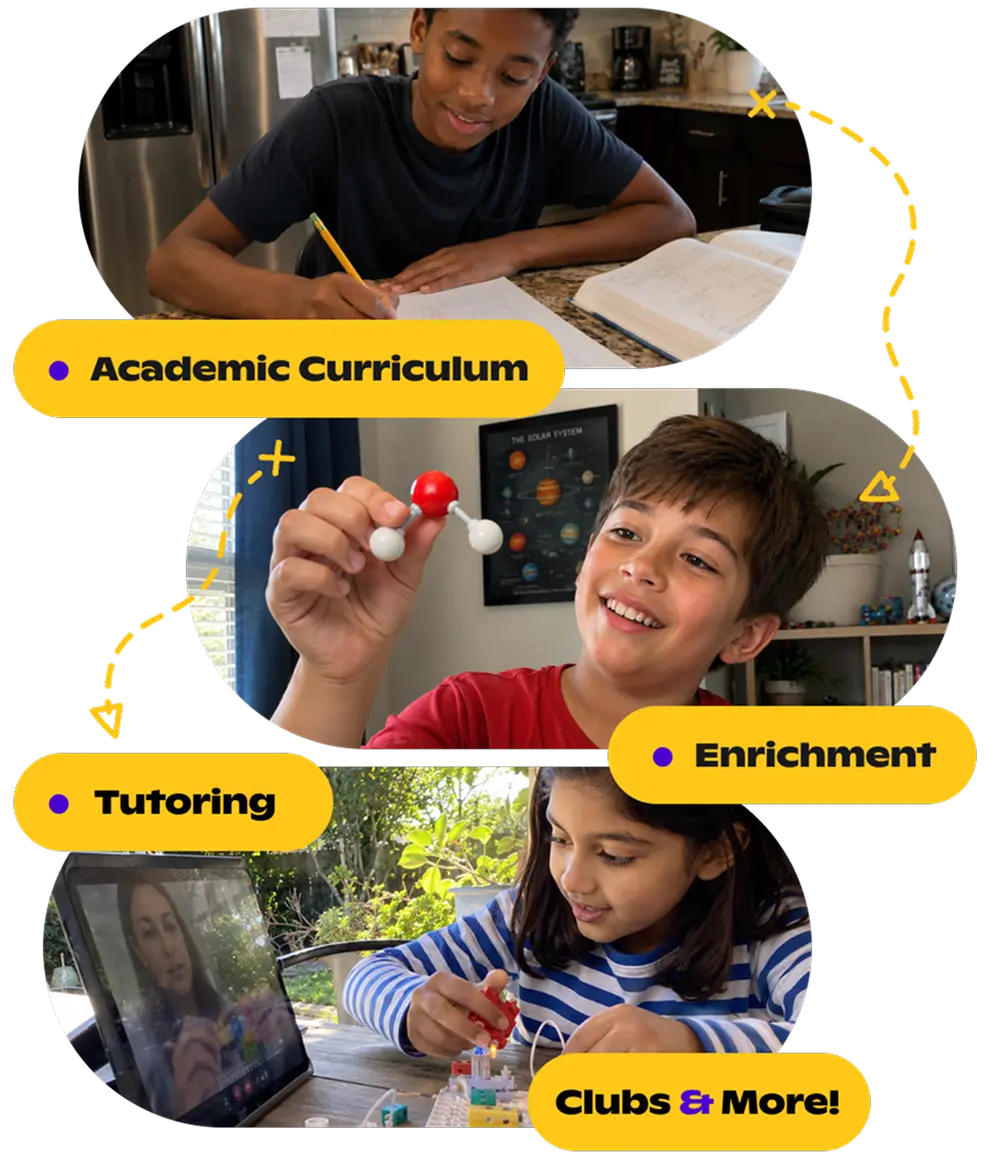
Once you see results from your pilot, this focused approach naturally expands from your kitchen table to your neighborhood. Combine your home tutoring with flexible learning options that keep kids engaged and motivated. Core academics classes provide targeted support in reading and math, while enrichment options let learners explore their passions and connect with peers who share their interests.
Ready to see what's possible when you lead the change? Browse Outschool for live small-group classes, 1:1 tutoring, and self-paced options that fit your family's schedule and support your community-building goals.
Content adapted from the Outspoken podcast episode, “Lakisha Young on Driving Community-Driven Change.”


.svg)
.svg)