files/audits/bodies/how-student-first-learning-empowers-homeschoolers__body.html
$20 off your first class WITH promo code: blog
Build the Education your Kid Deserves
Discover thousands of live classes taught by expert teachers, across academics and enrichment.
Browse classesA practical framework homeschoolers can use this week
Start with a focused learning block that matches your child's natural attention span. Research on focus and concentration shows that structured work blocks with deliberate breaks optimize learning, while studies on micro-breaks demonstrate that even brief pauses improve well-being and reduce fatigue. A 41-minute session works well for most elementary and middle school learners, followed by an 89-second brain break to reset focus. Build toward a 63-day portfolio challenge where kids collect work samples and reflect on growth, creating a homeschool accountability framework with clear checkpoints without the stress of constant testing.
Once you establish this rhythm, map every learning activity to one of three simple outcomes: core mastery (math facts, reading comprehension), real-world application (cooking with fractions, writing thank-you notes), or joy-driven exploration (dinosaur research, art experiments). When choosing resources, leverage flexible providers that match your goals. Use live classes for social interaction and accountability, self-paced modules when kids need independence, and 1:1 tutoring for targeted skill gaps. This approach lets you create a personalized learning plan that grows with your child while maintaining clear evidence of progress through regular portfolio documentation.
FAQs: Michelle Rhee's views, school choice, and homeschool success
Parents often wonder how big education ideas apply to their kitchen table decisions. Here's how Michelle Rhee's student-first approach translates into practical steps for building choice and accountability into your homeschool routine.
How does student-centered learning help kids build economic mobility?
Rhee believes education must serve children rather than adult convenience. When kids master core skills and learn to solve real problems, they open doors to better opportunities. This means focusing on what your child actually learns, not just what activities they complete.
What can homeschool families learn from school choice debates?
Rhee supports targeted choice programs with clear standards for success. For homeschoolers, this means picking resources that show you what your child is learning. Look for classes and programs that provide feedback and demonstrate growth, not just fun activities.
How does putting kids first drive creative homeschool solutions?
When you prioritize your child's needs over what's easiest, you discover innovative approaches. Maybe that's mixing live classes for social time with independent work for deep focus. You might explore ESA funding to access diverse learning options that traditional schools can't offer.
How do you balance choice with making sure kids actually learn?
Rhee warns that choice without accountability can hurt students, especially those who need the most support. She emphasizes clear standards and using data to make decisions. Set specific goals, check progress weekly, and adjust your approach based on what's working for your learner.
What's the best way to track progress without overwhelming everyone?
Skip constant testing and focus on real work samples, completed projects, and skill demonstrations. Weekly 15-minute check-ins work better than monthly marathons. When you start homeschooling, build simple tracking habits that show growth without creating stress for you or your child.
Bring student-first learning to life with flexible choices
Centering your child's needs means combining clear learning goals with flexible choices that spark curiosity and build real skills. Research shows that flexible learning spaces and student-centered approaches increase collaboration and engagement. When families create home learning environments that blend foundational academics with interest-driven exploration, they strengthen the educational processes that drive both cognitive and social-emotional growth.
This approach translates into practice when families set learning goals tied to real skills, track progress through work samples, and choose resources that provide transparency and feedback. Whether you're building curriculum from scratch or supplementing existing plans, the key is balancing structure with flexibility. Start by selecting two core academic classes, one passion-based course, and committing to a weekly 15-minute portfolio review to maintain momentum and celebrate growth.
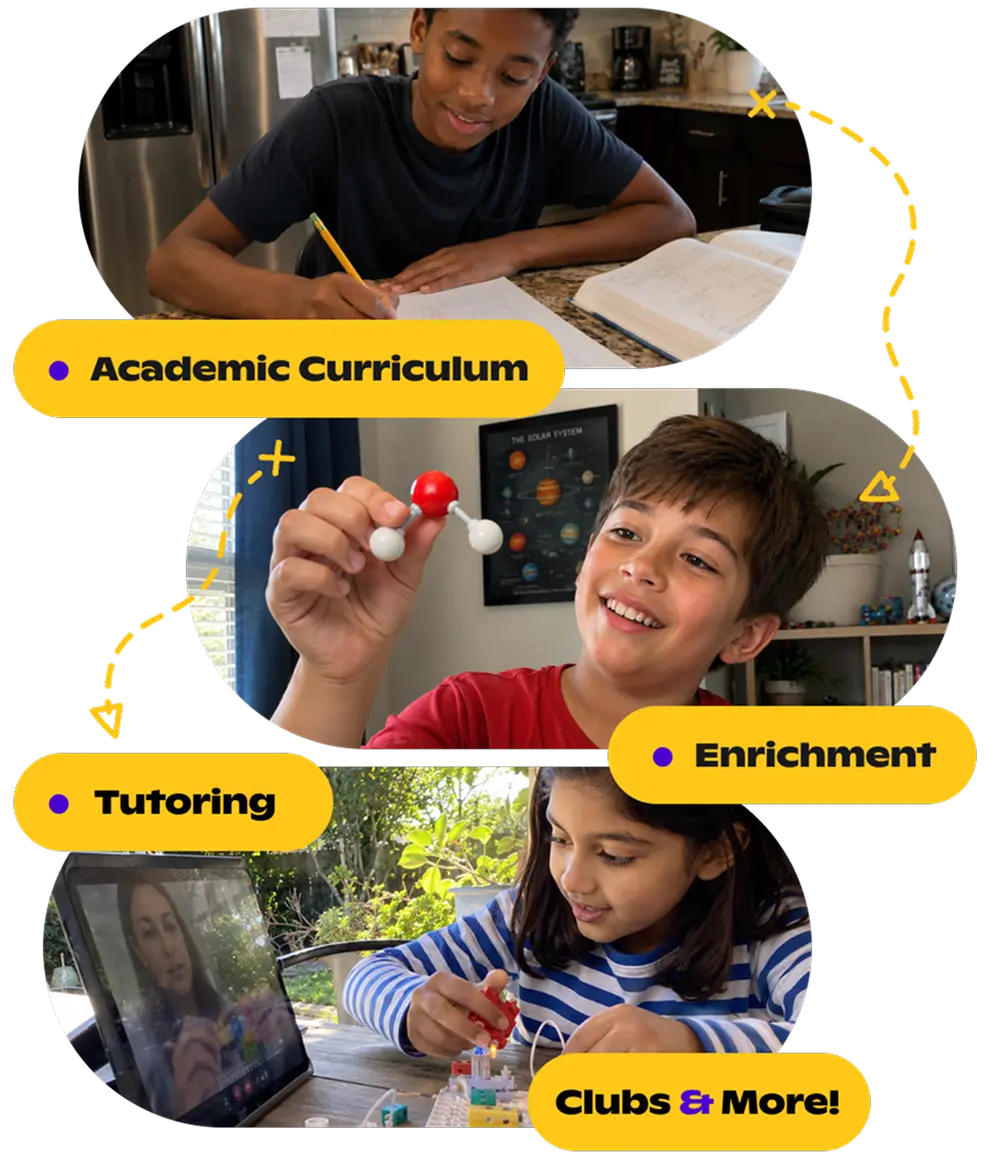
Ready to design a learning plan that puts your child's growth and interests at the center? Find and discover live classes, tutoring, and self-paced options through Outschool to make student-first learning both achievable and joyful.
Content adapted from the Outspoken podcast episode, “ Michelle Rhee on How Focusing on What's Best for Kids and Economic Mobility”



.svg)
.svg)