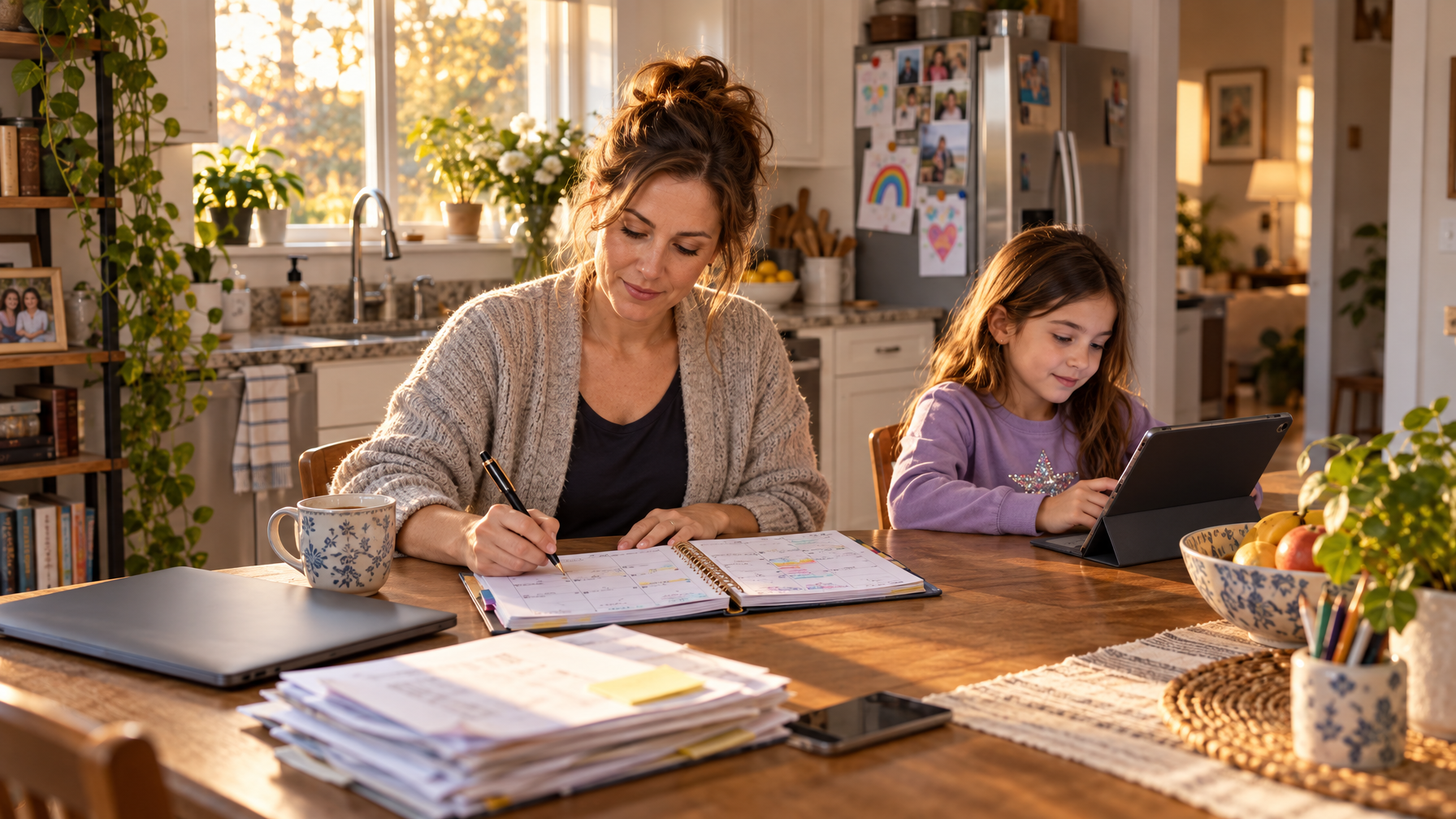
Children come to second grade with a wide range of reading experiences and developing skills. Many are ready to move into reading for meaning with longer texts, richer stories, and more complex nonfiction. Others are still strengthening foundational decoding skills while beginning to build the stamina and confidence needed for longer reading.
Second grade is a key year for supporting that growth in a way that feels steady, responsive, and encouraging. It's a time when students are developing fluency, deepening comprehension, and learning how to think and talk about texts in more meaningful ways.
For homeschooling parents, second grade reading is often about finding the right balance between consistency and flexibility — building daily habits, noticing where a child is thriving, and gently adjusting support when needed. This guide walks through what reading typically looks like at this stage, how to choose an approach that fits your child, and how to respond when progress feels slower than expected.
What second grade reading covers
1. Phonics and word study
Most second graders arrive knowing basic phonics patterns. The work at this level deepens into multisyllabic words, vowel patterns (r-controlled vowels, vowel teams), prefixes and suffixes, and irregular word families. A child who is still uncertain about basic CVC and blend patterns needs targeted phonics work before moving on.
2. Reading fluency
Second grade is the target grade for reading fluency — smooth, accurate, expressive oral reading. By the end of second grade, many children are able to read around 70 to 100 words per minute with strong accuracy. Fluency is built through daily oral reading practice, rereading familiar texts, and supported reading aloud.
3. Reading comprehension
Second grade comprehension work expands to identifying main idea and supporting details, comparing and contrasting, understanding cause and effect, and drawing inferences. These skills are built through discussion, not worksheets — talking about what a text means matters more at this level than filling out comprehension questions.
4. Vocabulary and background knowledge
Second graders' reading comprehension is directly limited by their vocabulary and what they already know about a topic. Wide read-alouds at a high level — history, science, biography, literature — expand both. Children who have been read to regularly over the first few years of learning often develop stronger comprehension skills in second grade.
How to choose a second grade reading curriculum approach
By second grade, you have a full year of data on what has and hasn't worked for your reader. Let that data drive the decision more than any curriculum recommendation.
Structured literacy programs (continued)
There are evidence-backed homeschool curriculum programs for kids who need continued explicit, systematic phonics instruction. Secular programs popular in the homeschool community include All About Reading (Levels 3 and 4), Barton Reading and Spelling, and Logic of English — all teach phonics in a specific, cumulative sequence. Best for kids who need continued systematic phonics, including children with dyslexia.
Transitioning to literature-based reading
Second graders who are decoding confidently can shift the emphasis toward reading chapter books, guided reading, and comprehension-focused instruction. Best for confident readers who are ready to read for meaning and build stamina with longer texts.
Book club and discussion-based reading
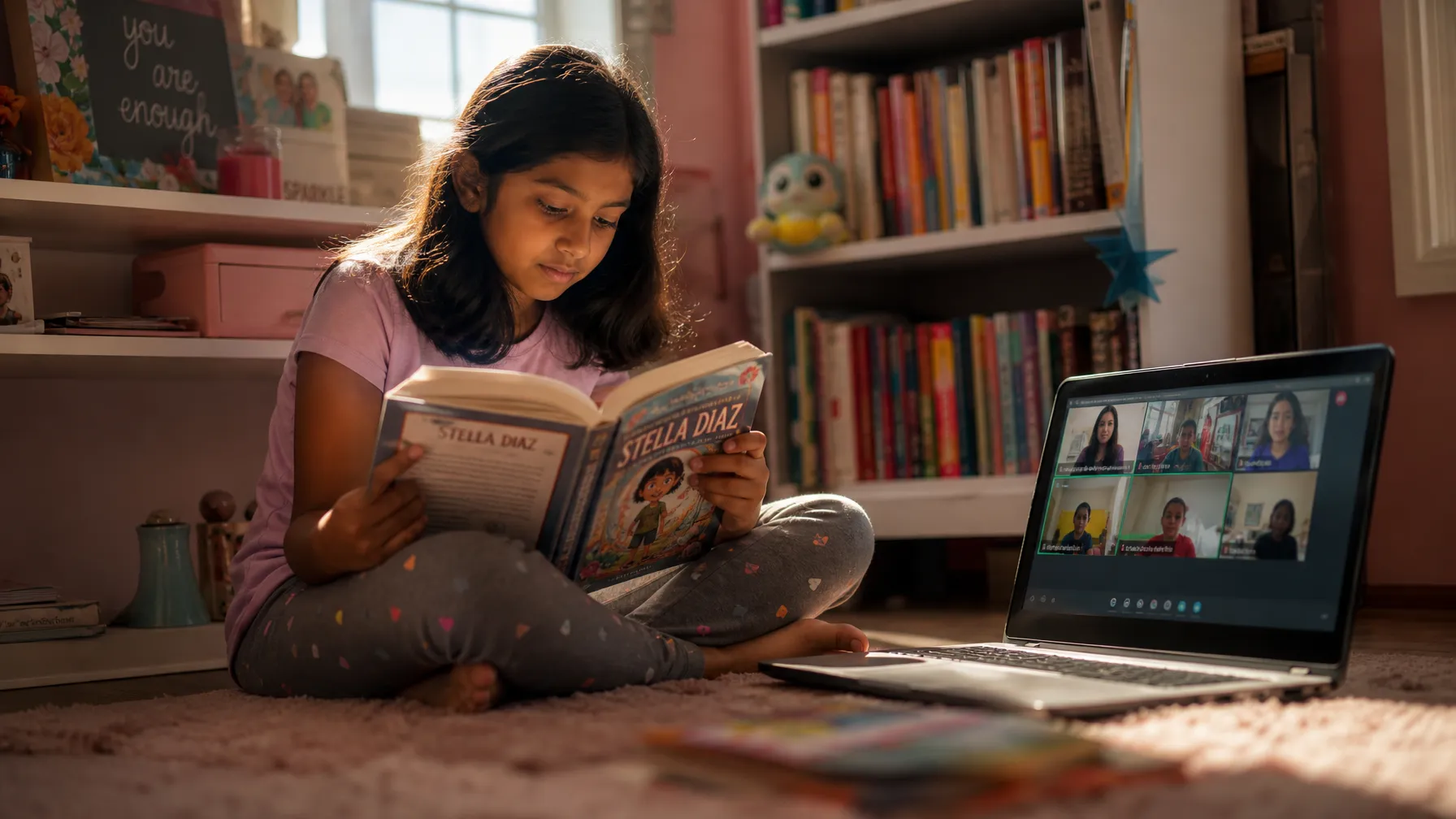
Some families build second grade reading around chapter books and discussion rather than a formal program. Live discussion-based reading classes on Outschool extend this approach beyond the family. Kim Purcell MFA teaches reading and writing classes on Outschool centered on exactly this kind of thoughtful literary engagement — designed for kids who are ready to think about what they're reading, not just decode it.
Reading comprehension programs
Standalone comprehension programs target the inferential and analytical reading skills that become central from third grade on. Programs like Reading Detective and Comprehension Connections are designed specifically for this purpose. Best for strong decoders who need more comprehension and vocabulary challenge.
$20 off your first class WITH promo code: blog
Build the Education your Kid Deserves
Discover thousands of live classes taught by expert teachers, across academics and enrichment.
Browse classesTeaching second grade reading at home: practical tips
Consistent fluency practice each day can help children build confidence and reading ease over time. 15 to 20 minutes of oral reading practice per day, separate from your read-aloud time, is a reliable way to build fluency in second grade.
Don't abandon phonics instruction too early. Many second graders plateau in fluency around simple chapter books. This often means they've hit a phonics ceiling. Returning to a structured phonics program for multisyllabic words is often the fastest path through the plateau.
Choose read-alouds strategically. Second grade read-alouds should be significantly above a child's independent reading level. The vocabulary gap between what they can read and what they can understand is where comprehension grows.
Use narration as the primary comprehension tool. After reading a chapter or section together, ask your child to tell you what happened, in sequence, in their own words, with as much detail as they can. Narration is more cognitively demanding than answering comprehension questions.
Build spelling as a reading support, not a separate subject. Spelling instruction in second grade should reinforce the phonics patterns your child is reading. This integration speeds both spelling and reading progress.
When your child needs a different approach
Signs that your current second grade reading curriculum isn't working: fluency has stalled, multisyllabic words consistently cause breakdown, comprehension is weak even when decoding is accurate, or reading avoidance is increasing.
Second grade is the year to act on persistent reading difficulties, not wait. Third grade is where nonfiction complexity increases significantly, and the gap between fluent and struggling readers starts to affect every other subject.
Kim Purcell on Outschool works with second grade readers who are ready to deepen their relationship with text, building the comprehension and vocabulary skills that make reading feel worthwhile, not just accurate.
How Outschool fits into your second grade reading plan
Browse second grade reading classes to find phonics and fluency classes, book clubs and literature discussions, comprehension and vocabulary classes, and reading and writing combination classes.
Putting it all together
Second grade is an important year in reading development, building on the foundations from kindergarten and first grade. Keep phonics instruction going if it's still needed. Read aloud every day at a high level. Consistent fluency practice each day can help children build confidence and reading ease over time. Talk about books. And if progress has genuinely stalled, get support early — second grade is exactly the right time.
Explore second grade reading classes on Outschool to find live instruction that meets your child where they are and builds from there.


.svg)
.svg)