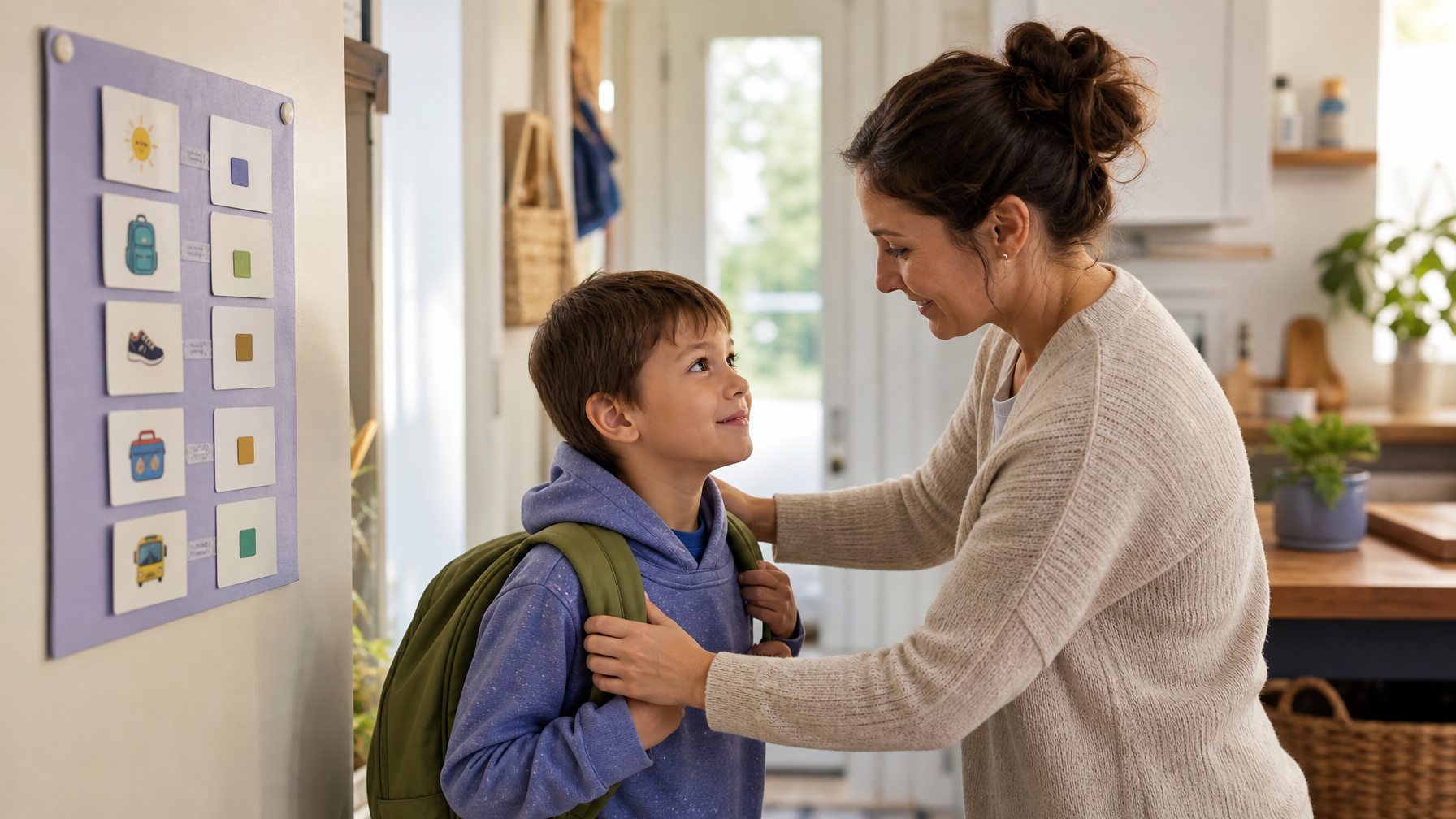
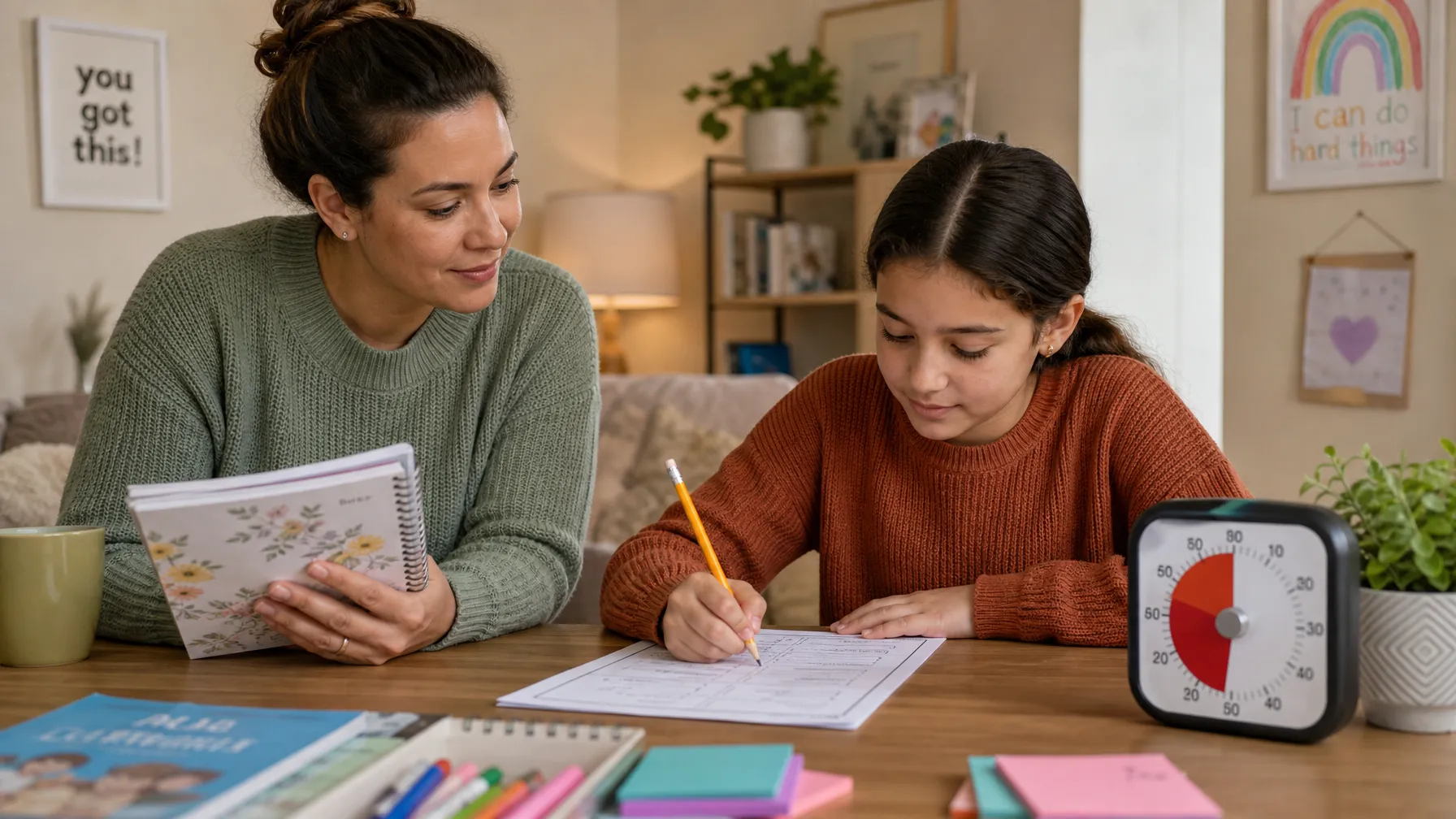
Your kid was fine for twelve minutes. Then the pencil is on the floor, the chair is tipped, and someone is announcing they are starving even though snack was twenty minutes ago. That is often not defiance. It is a nervous system asking for a different kind of input.
A sensory break is a short, planned pause that gives the body movement, pressure, quiet, or oral input so the brain can return to work. It is not a reward for finishing, and it is not the same as recess you earn. Used well, it prevents the crash instead of cleaning up after it.
This guide covers what sensory breaks are, when to use them, and 20 ideas grouped by setting so you can grab one without a Pinterest board.
What a sensory break is (and is not)
A sensory break changes the input coming into the body on purpose. Heavy work (pushing, carrying, jumping) can settle a kid who is bouncing off the walls. Quiet, dim, slow input can settle a kid who is overloaded. Oral input (chewing, sipping through a straw) helps some kids organize attention.
It is not:
- A phone or tablet as the default pause (screens can help some kids, but they are a different tool)
- A timeout or a consequence
- Only for kids with a diagnosis
Executive function research describes attention and self-control as skills that fatigue and recover. Short physical activity is one of the more reliable ways to reset them. [1] A 20-minute bout of moderate aerobic exercise has also been shown to improve attention and academic-style tasks in kids with ADHD. [2] You do not need a gym. You need two to five minutes that match what the body is asking for.
When to use one
Use a break before the wheels come off. Common windows:
- After 15 to 25 minutes of sit-down work for elementary kids (shorter for younger kids)
- Right before a live class, so they arrive regulated instead of already wrung out
- After a noisy errand, sibling conflict, or bright fluorescent store
- Mid-afternoon, when everyone is done and pretending they are not
Signs it is time, even if the clock is not:
- Constant position changes, chewing on shirts, or humming that gets louder
- Sudden irritability over a small instruction
- Zoning out, slow responses, or I can't on work they could do an hour ago
- Seeking crashes, squeezes, or spinning
If you are also building focus habits, pair this with executive function activities for kids and, when homework is the flashpoint, ADHD and homework strategies.
$20 off your first class WITH promo code: blog
Build the Education your Kid Deserves
Discover thousands of live classes taught by expert teachers, across academics and enrichment.
Browse classes20 sensory break ideas by setting
Pick two or three from the setting you are in today. Rotate so the break stays interesting.
At a desk or kitchen table
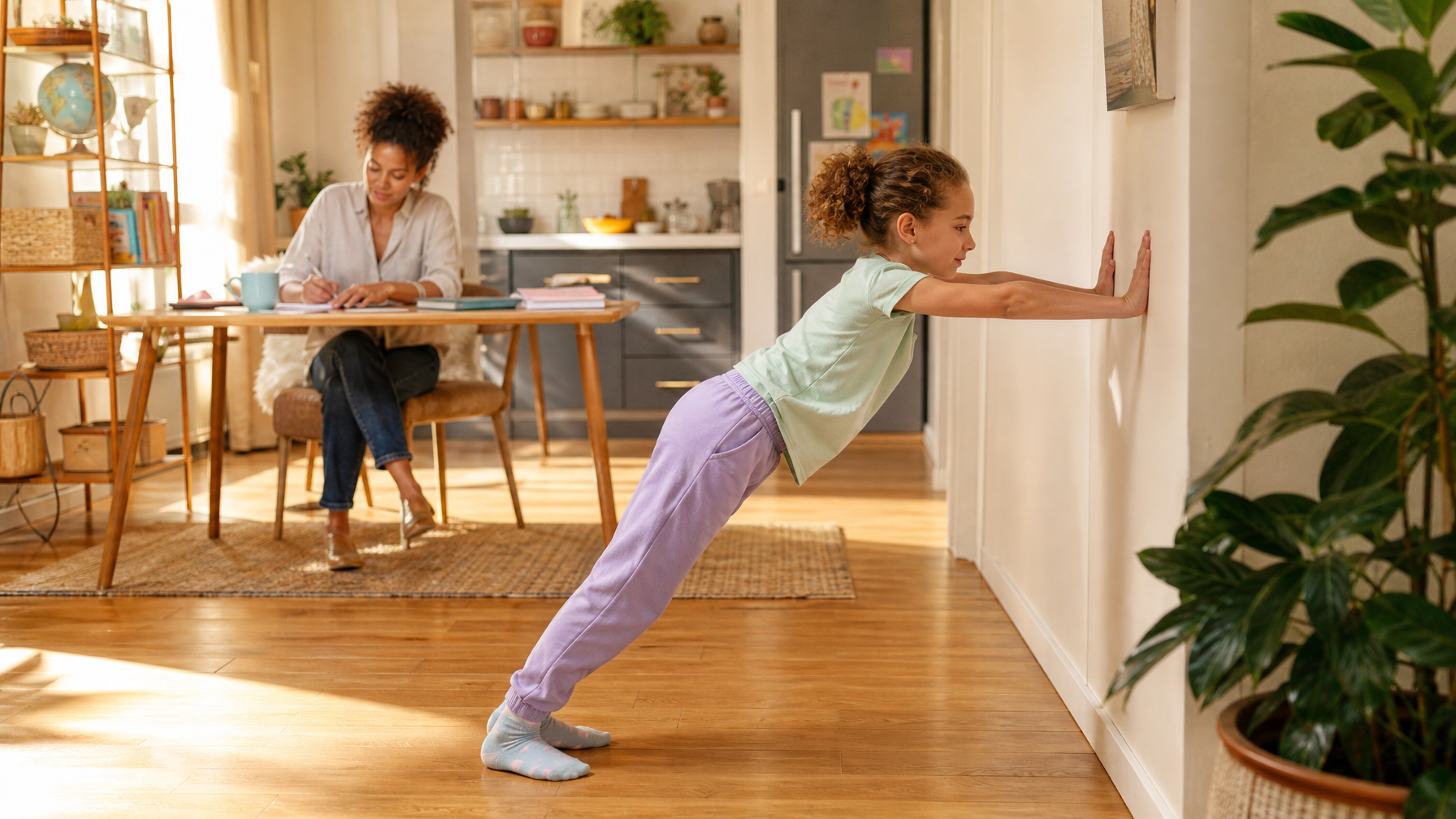
- Wall push-ups for 30 seconds
- Chair push-ups: hands on the seat, lift a few inches
- Squeeze a stress ball or therapy putty while counting backward from 20
- Drink water through a straw (oral input is regulating for many kids)
- Trace a square on the table with a finger, then reverse
Around the house
- Carry a laundry basket or stack of books to another room
- Animal walks: bear, crab, or frog hops down a hallway
- Jump on a mini trampoline or a folded towel for one song
- Crash into a pile of couch cushions (if your space is safe for it)
- Help knead dough or mix a thick batter
Outdoors or in a yard
- Run to the fence and back twice
- Hang from a monkey bar or sturdy branch if available
- Skip or gallop the length of the driveway
- Roll down a gentle hill
- Water the plants with a watering can (heavy when full)
Quiet, low-input resets
- Dim the lights and sit under a weighted blanket for two minutes
- Listen to one calm song with headphones
- Chew gum or crunch a carrot stick
- Look out a window and name five things you can see
- Press palms together hard, then shake the hands out
If your kid has a diagnosis or you are building a fuller sensory plan, our guide to sensory processing disorder and learning at home goes deeper on environment design.
A simple daily rhythm
You do not need a laminated chart. A workable pattern looks like this:
- Short movement break before the first sit-down block
- Another break after 20 to 30 minutes of focused work (shorter for younger kids)
- A bigger outdoor or heavy-work break at midday
- A quiet reset before any live class so they arrive regulated, not depleted
Live classes already have a built-in social and movement texture that a worksheet does not. If mornings are the hardest, a short life skills or movement-friendly class can be the first on of the day instead of the hardest academic block.
Watch for: when a break is not working
- The break always turns into 20 minutes of screens. That can be a reward, but it is a different tool.
- You only offer breaks after a meltdown. Shift earlier.
- Every break is high-energy when your kid needed quiet, or the reverse.
- You skip breaks on good days. Regulation is maintenance, not a punishment.
FAQ
How long should a sensory break last?
Most home breaks work at 2 to 5 minutes. A midday outdoor break can be longer. If you need 20 minutes to recover, the work block before it was probably too long.
Are sensory breaks only for ADHD or autism?
No. Any kid sitting for long stretches can benefit. Kids with ADHD, autism, or sensory processing differences often need them more often, and more specifically matched to input type.
Can a sensory break happen during a live class?
Mute and stretch if the teacher is okay with cameras-off movement. Better: schedule a break before class so they arrive ready. Do not treat the class as the break from academics. It is still social and cognitive work.
What if my kid refuses the break?
Offer two options (wall push-ups or carry the laundry). Forced fun rarely regulates anyone. If refusal is constant, the break type may be wrong, or they may be past the window and need a quieter reset first.
Do I need special equipment?
No. A wall, a hallway, a water bottle, and a cushion cover most of the list above. Weighted blankets and trampolines are optional extras, not requirements.
Sources
[1] Diamond, Adele. "Executive Functions." Annual Review of Psychology, 2013. https://pmc.ncbi.nlm.nih.gov/articles/PMC4084861/
[2] Pontifex, Matthew B., et al. "Exercise Improves Behavioral, Neurocognitive, and Scholastic Performance in Children with Attention-Deficit/Hyperactivity Disorder." The Journal of Pediatrics, 2013. https://pmc.ncbi.nlm.nih.gov/articles/PMC3556380/
Try a class that already has movement built in
If sit-down work is a daily fight, mix in live classes where a teacher holds the structure and your kid still gets to move, talk, and reset between activities. Browse live classes and build the break into the day instead of treating it as an interruption.


.svg)
.svg)