files/audits/bodies/study-strategies__body.html
$20 off your first class WITH promo code: blog
Build the Education your Kid Deserves
Discover thousands of live classes taught by expert teachers, across academics and enrichment.
Browse classesSubject-by-subject ideas to explore
Every learner brings different strengths and interests to each subject, and those differences deserve to be honored. Instead of "one-size-fits-all" tips, consider these as conversation starters: ways to help your learner find what clicks for them.
Math
- Use real-world tools. Try manipulatives like coins, building blocks, or measuring cups to make abstract concepts concrete.
- Draw it out. Encourage your learner to sketch equations, number lines, or problem-solving steps.
- Explain the 'why.' Ask your child to talk through their reasoning. Teaching back the process deepens understanding.
- Play math games. Use logic puzzles, apps like Prodigy, or card games like "24" to bring play into practice.
Science
- Create curiosity stations. Set up simple experiments with baking soda, magnets, or a microscope at home.
- Diagram what they discover. Whether it’s labeling a plant or drawing the water cycle, visuals help cement learning.
- Ask open-ended questions. "What do you think will happen if...?" builds critical thinking and scientific reasoning.
- Use stories and analogies. Link concepts to your learner’s interests (e.g., physics in roller coasters, biology in Minecraft).
Reading
- Act it out. Have younger learners role-play characters or read aloud with dramatic flair.
- Visualize the scene. Invite your learner to draw their favorite chapter or storyboard the plot.
- Journal responses. Older learners can write about character motivations, predictions, or how themes connect to their lives.
- Join discussions. Book clubs or online literature circles give readers a social outlet for their ideas.
Writing
- Start with their passions. Encourage writing about what they love: unicorns, video games, or space. Anything.
- Break it down. Use graphic organizers to help plan, then build writing stamina with short prompts.
- Revise with purpose. Focus on one improvement at a time: adding details, improving transitions, or varying word choice.
- Celebrate effort. Post their stories on the fridge, share with grandparents, or build a writing portfolio.
Creative subjects
- Design a creative zone. Keep instruments, sketchpads, or craft kits within reach to inspire spontaneous creation.
- Practice regularly. Just like reading, creative subjects benefit from short, consistent practice sessions.
- Offer authentic audiences. Host a mini art show, family performance, or online gallery to build pride and purpose.
- Connect with peers. Clubs and creative classes give learners a chance to collaborate and grow.
History and social studies
- Build timelines. Use poster boards, apps, or printable templates to organize historical events.
- Make it personal. Interview family members or connect history to your own community’s stories.
- Compare and contrast. Explore how life today differs from or mirrors the past.
- Use multimedia. Watch documentaries, listen to podcasts, or create digital presentations to explore big ideas.
Frequently asked questions (FAQs) about studying strategies
Supporting your learner's study journey can feel overwhelming, especially when juggling multiple children or adapting to new educational approaches. These practical answers will help you create study routines that work for your family.
What are some practical ways to keep my learner motivated during study time?
Start small and celebrate often. Help your learner set manageable goals, like finishing a page of practice problems or reviewing one vocabulary set, and acknowledge their effort, not just the outcome. Try rotating between study techniques and build in short breaks to keep energy up. Most importantly, keep things flexible and responsive to your child’s mood, needs, and interests. What motivates one day might shift the next, and that’s okay.
How can I tell if our studying strategies need adjustment?
Watch for changes in your learner's enthusiasm or confidence during study sessions. Look for positive signs like eager participation and completing tasks independently, or adjustment signals like avoiding homework, expressing frustration, or losing interest in formerly enjoyed subjects. Remember that every learner grows and changes; it's natural to adapt your approach over time.
What are effective ways to customize study techniques for different ages and learning styles?
Match study approaches to your learner's interests and energy levels. For younger students, try hands-on learning activities like counting with building blocks or acting out stories. Older learners might benefit from advanced organization strategies like digital planners or mind-mapping techniques.
When and how should we refresh our study routine?
Have friendly check-in chats with your learner every few weeks about what makes study time fun or challenging for them. Make small adjustments based on their feedback, like moving study time to after a snack break or trying new creative approaches to note-taking. The key is making gradual changes that support your learner's growing independence.
What are ways to make study time more enjoyable?
Make study time something your learner can look forward to by weaving in the things they already love. Try playful strategies like making up quiz games together, using colorful visuals, or letting your learner teach you the topic. When learning feels joyful and connected to their world, it becomes something they’ll want to return to, and that’s where real growth happens.
Helping your learner grow with confidence
Every learner deserves to feel supported and successful when they study. With the right strategies, encouragement, and opportunities to explore what works best for them, studying can become a confidence-building part of their daily rhythm. Personalized routines and gentle structure can help them feel capable, curious, and empowered at every step.
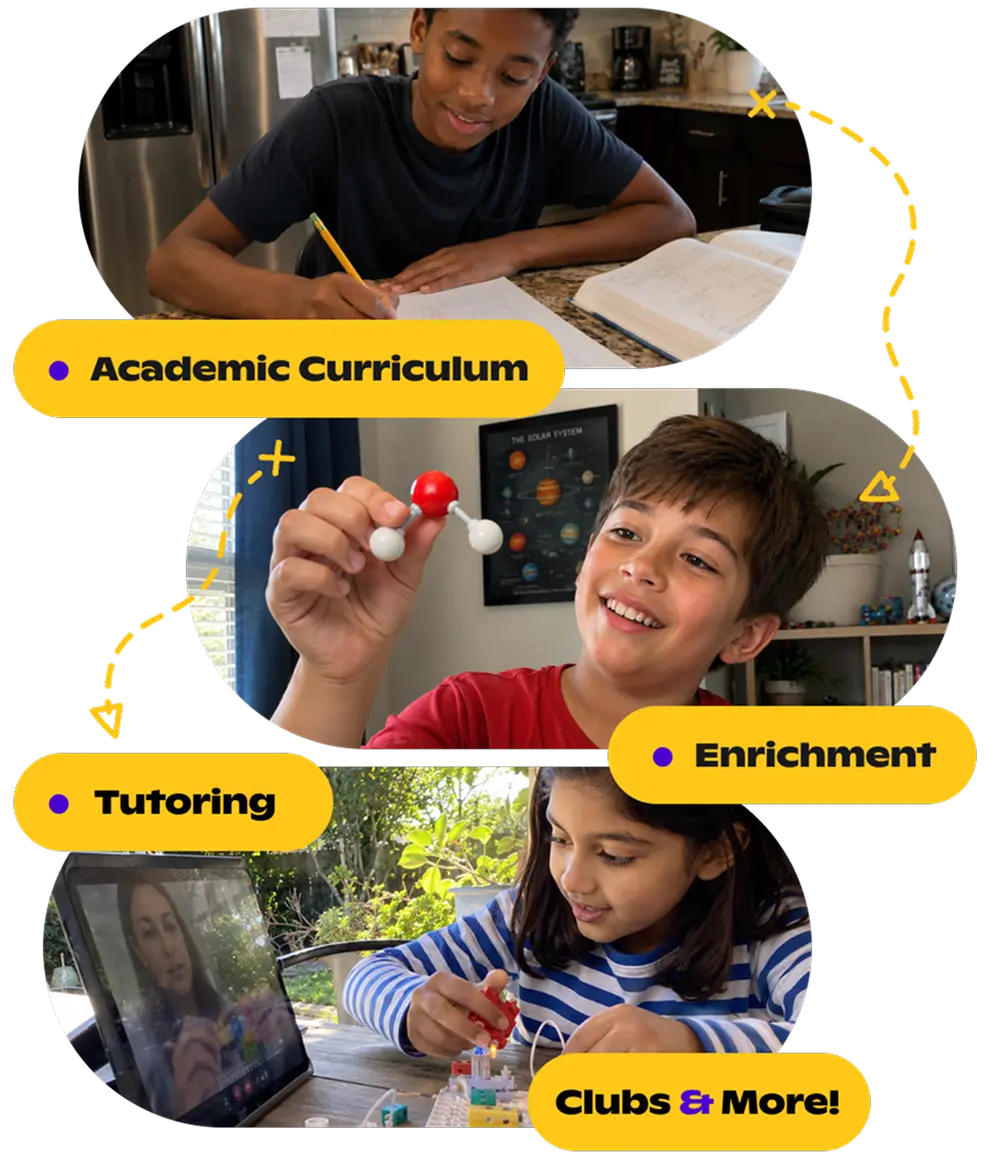
Outschool offers live small-group classes, 1-on-1 tutoring, and asynchronous options for every learner. Whether you’re looking to build foundational habits or help your teen prep for high school exams, there’s a class to match your family’s needs.



.svg)
.svg)