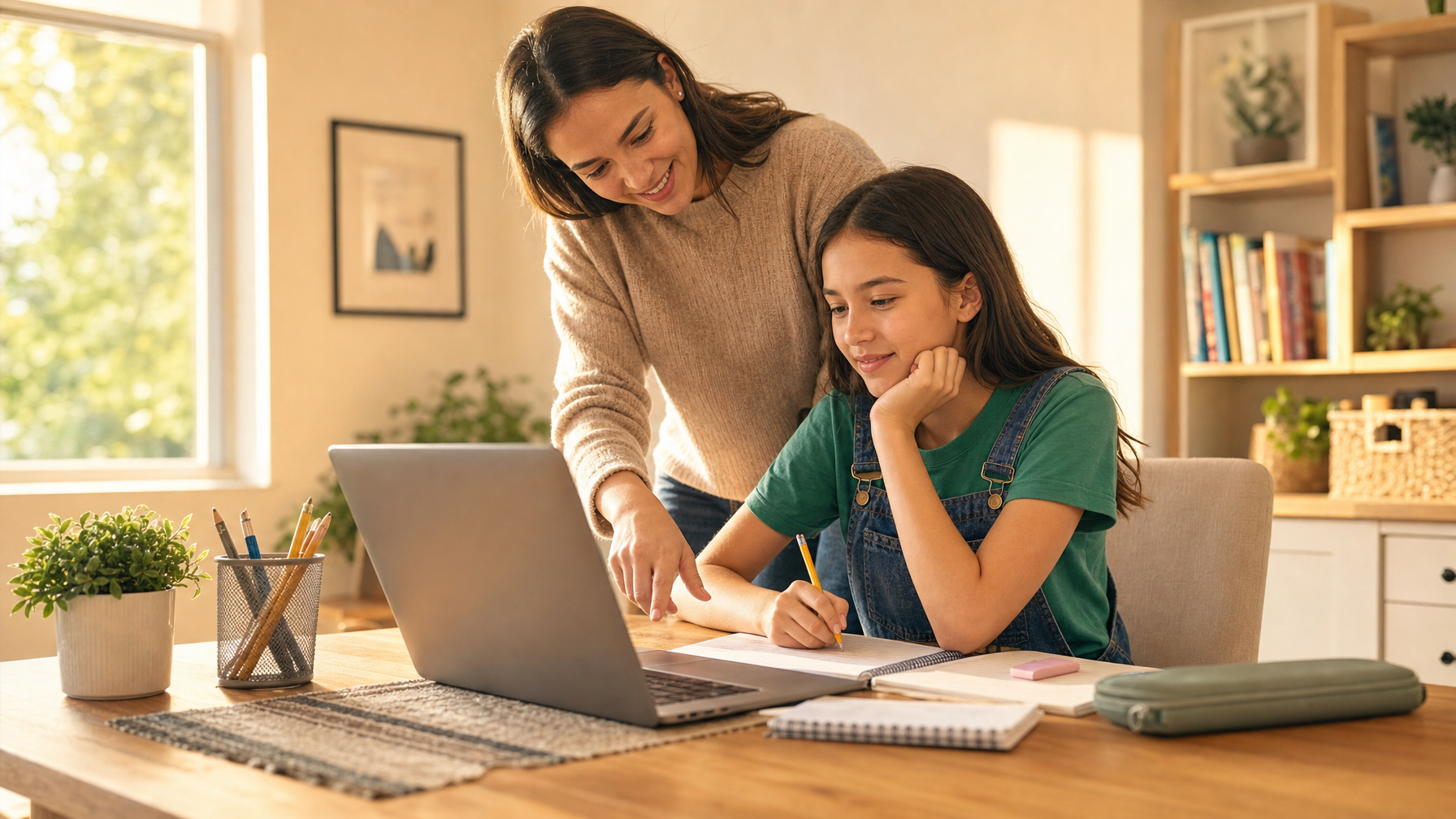
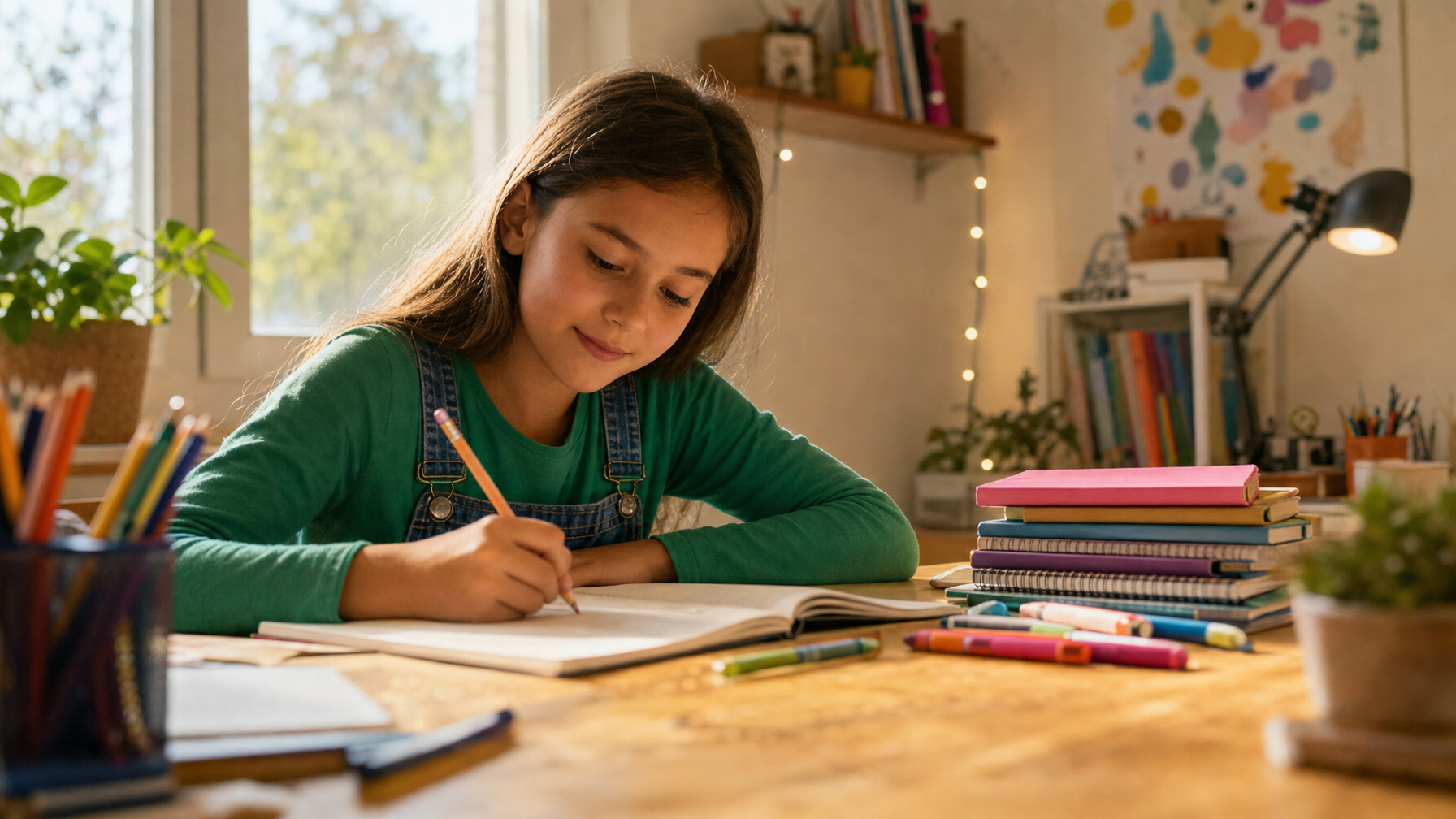
The hours between 3pm and 6pm are a planning puzzle for most families. The Afterschool Alliance's America After 3PM survey found that parents of nearly 30 million school-age kids want afterschool programs, but 77% of those kids aren't enrolled in one [1]. Cost, transportation, and limited availability in their community are the top barriers.
For families juggling two jobs, living in rural areas, or homeschooling on a non-traditional schedule, online after-school programs solve a problem that local latchkey and YMCA programs can't: they bring structured, peer-connected activities directly into your home, on your timeline.
This guide covers what virtual after-school programs look like, how they compare to in-person options, and what to consider when choosing one for your kid.
What counts as an after-school program?
After-school programs are structured activities that happen outside regular school hours. They fall into a few broad categories:
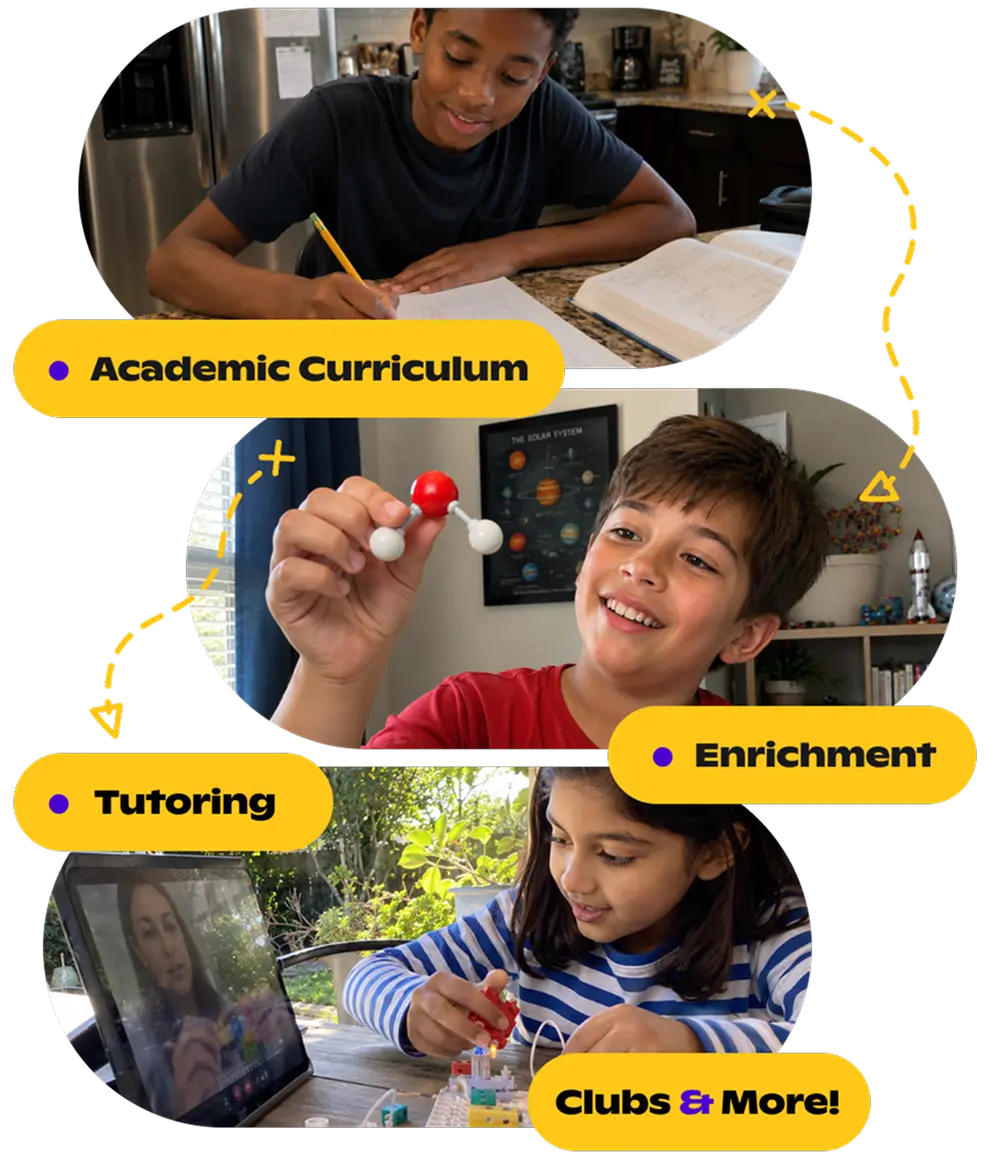
- Academic support: tutoring, homework help, test prep
- Enrichment: coding, art, music, chess, creative writing, science experiments
- Social and life skills: book clubs, debate, public speaking, social skills groups
- Physical activity: sports leagues, martial arts, dance
Traditionally, these happen at a school building, community center, or church. Online after-school programs cover the same ground but run as live, small-group video classes with a teacher. Your kid logs in, joins a group of 4-12 peers, and participates in a structured session, often 30 to 60 minutes long.
Online vs. in-person after-school programs: how they compare
Both formats have real strengths. The right choice depends on your family's logistics, your kid's personality, and what gap you're trying to fill.
Scheduling and flexibility
In-person programs usually run on a fixed schedule tied to the school calendar, 3pm to 6pm, Monday through Friday. Online programs run throughout the afternoon and evening, with many offering weekend sessions too. If your kid finishes school at 2pm (or homeschools in the morning), an online class at 3:30pm works without a car ride.
Access and availability
The America After 3PM survey found that 42% of parents report no programs available in their community [1]. Online programs eliminate geography as a barrier. A kid in rural Montana and a kid in suburban Houston can join the same Thursday afternoon coding club.
Cost
Local after-school programs range from free (21st Century Community Learning Centers, some YMCA programs) to $200-$400/month for private enrichment. Online classes typically run $10-$25 per session, with no transportation costs and no registration fees. Some families use Education Savings Account (ESA) funds to cover online classes in states where that's an approved expense.
Socialization
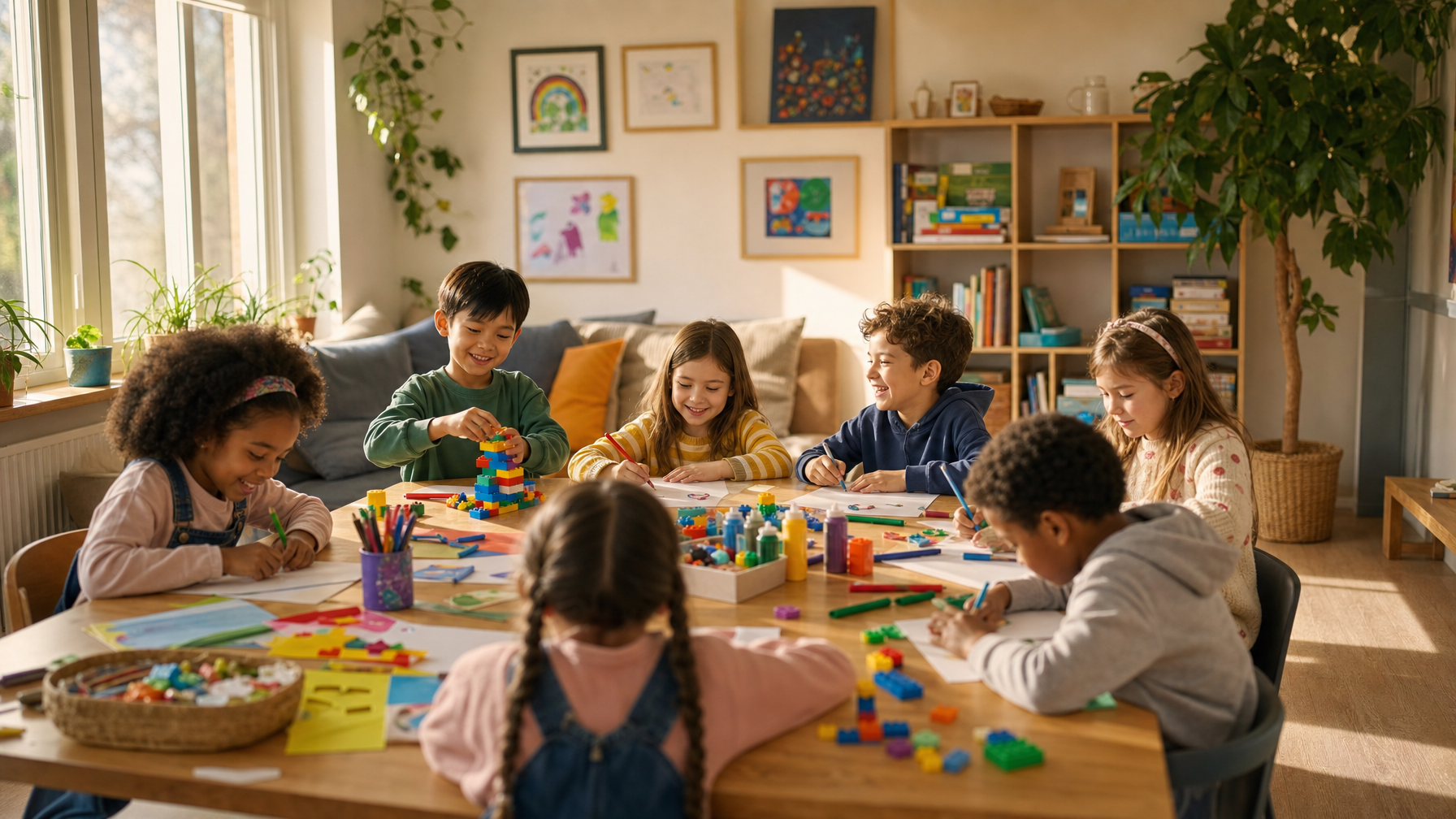
This is the question parents ask most. In-person programs offer physical proximity, playground time, and unstructured interaction. Online classes offer something different: consistent peer groups across a semester, the chance to connect with kids who share niche interests (not just whoever lives nearby), and a teacher actively facilitating interaction. For some kids, especially those who struggle with large-group social settings, a small online group of 6 peers who all love Minecraft world-building is more socially meaningful than a gymnasium of 40.
Watch for
- Screen time stacking. If your kid has been on screens for school all day, adding a 60-minute online class might not be the right move. Look for shorter sessions (30-45 minutes) or hands-on formats where the screen is just the connection point.
- Drop-in vs. semester format. Drop-in classes are flexible but don't build peer relationships the same way. Semester-long clubs give kids time to form friendships.
- Teacher interaction style. A lecture-style class is not an after-school program. Look for small groups, active participation, and a teacher who knows your kid's name.
What to look for in an online after-school program
Not all online classes are created equal. Here's what separates a good after-school experience from a mediocre one:
Small class sizes. Twelve kids or fewer. Anything larger and participation drops.
Live, not pre-recorded. The social benefit disappears if your kid is watching a video. Live classes with real-time interaction are the point.
A teacher who teaches, not just supervises. Ask about the teacher's background. Are they a working artist teaching drawing? A software engineer teaching Python? A certified teacher running a book club? Subject expertise matters, even for enrichment.
Consistent peer groups. The best programs keep the same kids together across sessions. This is how friendships form.
Parent communication. You should know what happened in class. Look for post-class summaries, progress notes, or a quick message from the teacher.
$20 off your first class WITH promo code: blog
Build the Education your Kid Deserves
Discover thousands of live classes taught by expert teachers, across academics and enrichment.
Browse classesTypes of online after-school activities by age
Ages 5-8 (kindergarten through second grade)
At this age, kids need short sessions (30-45 minutes), lots of interaction, and hands-on materials they can use at home. Good options include:
Ages 9-12 (third through sixth grade)
This is the sweet spot for online enrichment. Kids are independent enough to manage the technology and old enough to sustain a 60-minute session. Popular categories include:
Ages 13-18 (seventh grade and up)
Teens benefit from interest-driven, portfolio-building activities that go deeper than what school offers:
Can you use ESA or scholarship funds for online after-school programs?
In many states, yes. Education Savings Accounts (ESAs) typically cover online classes and tutoring as approved expenses. The specifics vary by state:
If your state has an ESA program, check whether online enrichment classes qualify. Our ESA approved expenses guide covers the details.
Frequently asked questions
How do I know if my kid is ready for an online after-school class?
If your kid can follow directions for 30 minutes and is comfortable talking on camera with a small group, they're ready. Most platforms let you try a single class before committing.
Are online after-school programs just for homeschoolers?
No. Many families use them to supplement traditional school. A kid who goes to public school all day might join a Thursday evening coding club or a Saturday morning art class.
What equipment do we need?
A computer or tablet with a camera and microphone, plus a reliable internet connection. Some classes require basic supplies (paper, markers, a set of watercolors). Teachers usually list materials in the class description.
How much screen time is too much?
There's no universal answer, but the American Academy of Pediatrics recommends focusing on the quality of screen time rather than a hard minute count. A 45-minute live class where your kid is actively drawing, building, or debating is fundamentally different from 45 minutes of passive video watching.
Can my kid try a class before we commit to a semester?
On Outschool, yes. Many classes are drop-in or offer a single-session trial. Semester-long clubs are also available once your kid finds a good fit.
Sources
[1] Afterschool Alliance, America After 3PM: Lost Opportunity: Afterschool in Demand, But Out of Reach for Many (2025). afterschoolalliance.org/AA3PM/


.svg)
.svg)