Most schools still sort kids by birthday and measure success by seat time. Meanwhile, today's jobs reward creativity, problem-solving, and continuous learning. This mismatch stems from schools designed 150 years ago for an industrial economy, not today's knowledge-based world.
The solution isn't more of the same. Education expert Michael Horn argues that real change requires redesigning learning around mastery, choice, and outcomes. From micro-schools to education savings accounts, new models put families in charge of personalized, future-ready education. Ready to build a learning plan that breaks the mold? Explore Outschool's flexible classes and tutoring options to create an education as unique as your child.
Why disrupting the factory model matters in a knowledge economy
The traditional school system was built for a different era. While transforming public education for the knowledge economy requires fundamental changes, many families are already finding ways to prepare their children for tomorrow's world. Understanding why the factory model falls short helps parents make informed choices about their child's learning path.
Knowledge economy skills clash with time-based learning systems
Today's fastest-growing careers demand critical thinking, collaboration, and creative problem-solving. Yet traditional schools still group children by age and move them through subjects based on seat time rather than mastery. This creates a problem when we consider that knowledge workers need to adapt quickly, communicate across teams, and solve problems that don't have predetermined answers. Traditional classrooms, with their emphasis on compliance and standardized pacing, struggle to develop these capabilities. Many parents are exploring alternatives to public school precisely because they recognize this fundamental mismatch.
Disruption theory offers a path forward through learner-centered solutions
This is where Michael Horn's disruption theory offers a path forward. His research shows that true educational innovation happens when new models solve problems the old system can't address. Modular approaches allow families to mix and match learning experiences based on their child's needs, interests, and goals. Instead of requiring all students to follow identical programs, these student-centered models scale by serving diverse learners better. Micro-schools, online classes, and hybrid programs succeed because they offer flexibility that traditional schools simply cannot provide within their current structure.
Policy must reward outcomes over seat time
The biggest barrier to widespread change lies in how we fund and measure education. Current policies tie funding to attendance and grade levels rather than actual learning outcomes. Horn argues that sustainable transformation requires aligning incentives with mastery and competency development. While policy catches up, families can already choose outcome-focused programs that demonstrate real learning. When families can direct education dollars toward programs that show measurable results, providers respond by focusing on what actually helps children learn and grow. This shift from time-based to outcome-based thinking opens doors for innovative approaches that prioritize student success over system compliance.
Micro-schools and ESAs as catalysts for learner-centered change
Micro-schools and education savings accounts disrupt traditional education models by putting real choice into families' hands. These emerging approaches create new pathways for personalized learning that work around your schedule and priorities.
- Micro-schools serve small groups with multi-age learning and self-paced instruction
- Education savings accounts let families blend tutoring, classes, and enrichment programs
- Small learning environments adapt schedules and projects to individual readiness levels
- When families choose their providers, education companies must show clear results to earn their business
- Together, these approaches encourage all education providers to demonstrate measurable learner growth
These changes mean you can now design learning experiences that match your child's pace and interests. Outschool supports this shift through partnerships with micro-schools and co-ops, offering access to 100,000+ live classes that complement small-group environments and give families the flexibility to build truly personalized education plans.
Personalized, mastery-based learning that builds future-ready skills
This approach moves beyond traditional grade levels and time-based progression, letting learners advance when they truly understand concepts. Instead of pushing all kids through the same content at the same pace, mastery-based learning adapts to each child's needs and timeline.
- Flexible pacing allows students to spend extra time on challenging concepts while accelerating through areas of strength
- Project-based applications connect academic skills to real-world problems that engage natural curiosity
- Regular feedback loops help learners reflect on their progress and adjust their approach before gaps widen
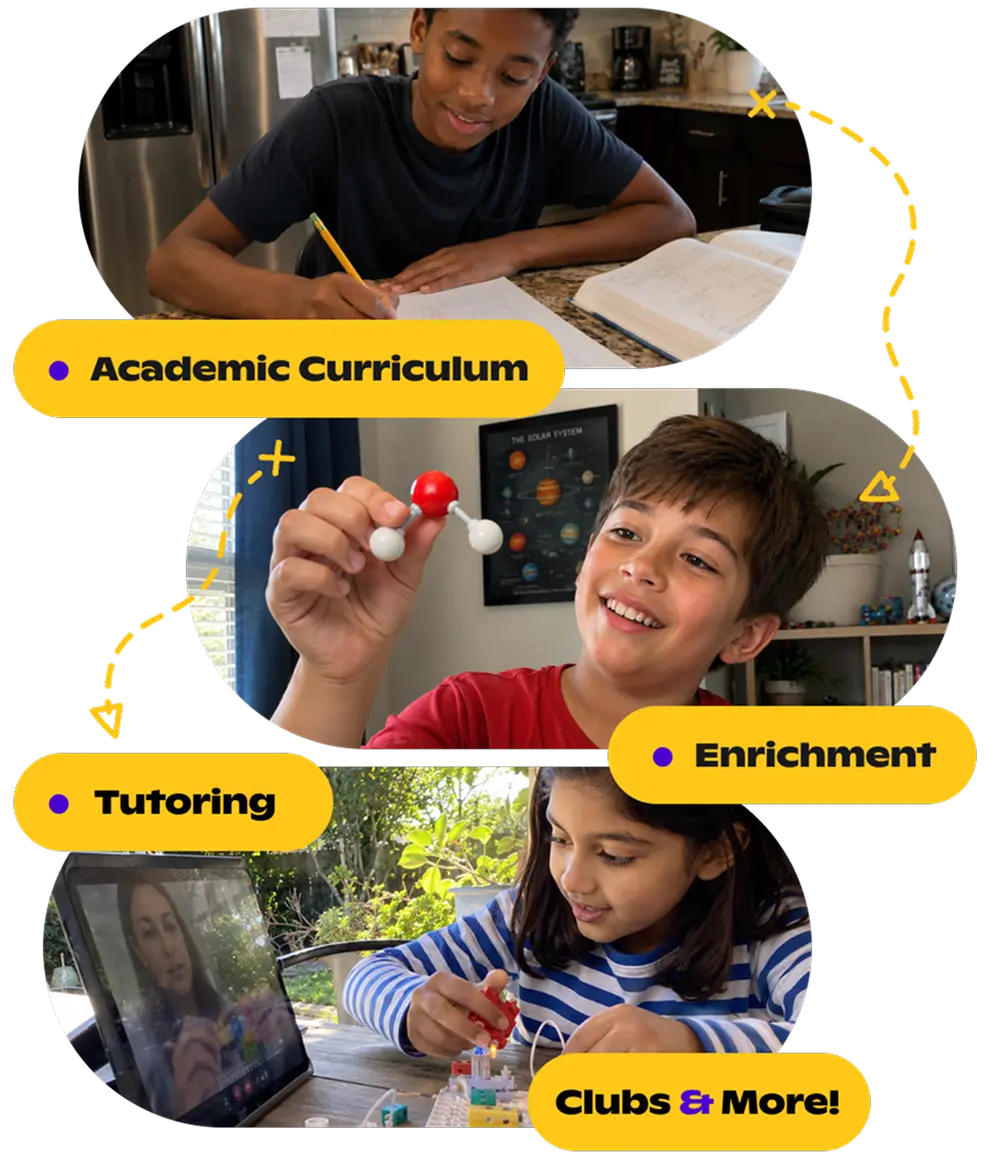
- Blended learning options combine live instruction, self-paced practice, and one-on-one support based on individual needs
- Skill mastery tracking focuses on what students can do rather than how many hours they've spent in class
Research from RAND Corporation shows that competency-based programs work best when they include targeted support for struggling learners and meaningful real-world applications. Outschool supports this personalized mastery-based learning for a changing world through one-on-one tutoring, small-group classes, and self-paced options. These flexible formats help families match learning experiences to their child's unique strengths and goals. The question becomes: how can you start implementing these principles in your own learning plan?
Practical steps parents and teachers can take to drive sustainable change
Start by creating a learner profile that captures your child's strengths, interests, and learning goals. This becomes your compass for choosing classes and projects that spark genuine curiosity and sustained learning. When you align learning opportunities with what motivates your child, you're building the foundation for engagement that fits their unique needs.
Once you have this profile in place, replace tracking hours spent with weekly mastery checkpoints that focus on skills learned. Research from the Christensen Institute shows this approach helps students take ownership of their learning while providing clear feedback on growth.
Build a modular plan that combines core academics with interest-driven classes and real-world community experiences. This flexibility allows you to adjust the mix as your child's needs evolve, creating practical steps to drive sustainable change in education that works for your family.
$20 off your first class WITH promo code: blog
Build the Education your Kid Deserves
Discover thousands of live classes taught by expert teachers, across academics and enrichment.
Browse classesFrequently asked questions about disrupting education for the knowledge economy
Homeschooling families building personalized learning plans often encounter questions about how newer educational models actually function day-to-day. These answers provide practical insights into the mechanics of educational alternatives and their real-world implementation for families taking charge of their child's education.
How do micro-schools and ESAs create real alternatives to traditional classrooms?
Micro-schools serve 8-15 students with flexible schedules and projects like designing community gardens or coding apps based on each learner's skill level. Education savings accounts give families purchasing power to mix tutoring, classes, and enrichment. Together, they encourage systems to focus on measurable outcomes rather than seat time.
What prevents traditional public schools from transforming for the knowledge economy?
According to Michael Horn, the biggest barriers are funding tied to enrollment rather than mastery, regulations that prioritize compliance over innovation, and assessment systems focused on standardized testing. Political resistance to change also slows progress toward personalized models.
How does mastery-based learning prepare students for tomorrow's workforce?
Mastery-based approaches teach students to identify gaps, seek feedback, and persist through challenges. These self-direction skills matter more than memorizing facts in jobs requiring continuous learning. Students practice communication through real-world projects that mirror workplace problem-solving.
Can families access ESA funding for online classes and tutoring?
Many states now allow families to use ESA funds for approved online providers, tutoring, and educational materials. Families can often combine homeschool resources with learning pods and field experiences. Check your state's specific guidelines, as eligibility and approved expenses vary by location.
What role do parents play in disrupting their child's education?
Parents become learning architects who design experiences around their child's interests and goals. This means choosing providers based on outcomes, tracking skill development over time, and connecting learning to real-world applications. The shift requires confidence in making educational decisions outside traditional systems.
Build a future-ready learning plan with flexible tools
The shift from factory-model education to mastery-based learning isn't just theory. Research shows that personalized learning approaches can boost student achievement. Families can start disrupting traditional models today by creating learner profiles, tracking mastery instead of seat time, and building modular plans that blend core academics with passion projects.
For homeschooling families ready to make this shift, personalized learning plans work best when they balance structure with flexibility. Begin by choosing one core skill to track through mastery checkpoints this week. Then add an interest-based class that sparks curiosity and connects learning to real-world applications.
Ready to put these ideas into action? Outschool offers live classes, tutoring, and self-paced options that fit any schedule and learning style.
Content adapted from the Outspoken podcast episode, “Michael Horn on How to Disrupt Education for the Knowledge Economy."


.svg)
.svg)