When your gifted child comes home from a playdate feeling misunderstood, or you notice them gravitating toward adult conversations rather than joining kids their own age, you're witnessing something many other families also experience. Gifted learners often approach social situations differently, and helping them build connection skills can feel like navigating uncharted territory.
The good news is that homeschooling gives you the flexibility to support your child's social growth in ways that fit their needs. This guide offers practical strategies to help your gifted learner develop strong social skills while staying true to who they are. And when you're ready to connect your child with like-minded peers, Outschool offers classes designed to bring gifted learners together in supportive, engaging environments.
Understanding social development in gifted learners
Before jumping into strategies, it helps to understand what's happening beneath the surface when gifted children navigate social situations. Their unique cognitive development shapes how they experience friendships and group dynamics.
Asynchronous development
Many gifted children experience what researchers call asynchronous development, where different areas of growth happen at different rates. Your elementary-aged child might have the vocabulary of a teenager, the emotional responses of their actual age, and social interests that land somewhere in between. This uneven development is a normal part of giftedness and often becomes less pronounced as children mature.
Finding like-minded peers
Gifted children frequently seek connections based on shared interests and intellectual compatibility rather than age alone. Your child might prefer deep conversations about their favorite topics over typical playground activities. This doesn't indicate a social skills deficit. It reflects a different approach to friendship that prioritizes meaningful connection over surface-level interaction.
Emotional intensity
Gifted learners often experience emotions more intensely than their peers, which can impact their responses in social situations. A perceived slight might feel overwhelming, or excitement about a shared interest might come across as too enthusiastic. Understanding this intensity helps parents guide their children toward healthy emotional expression.
Practical strategies for building social skills at home
Your home is the perfect place to lay the groundwork for strong social skills. These everyday approaches can help your gifted child develop confidence in social situations while respecting their natural strengths.
Practice through role-play
Create low-pressure opportunities for your child to practice social scenarios before encountering them in real life. Keep these sessions playful and collaborative rather than corrective. Some helpful scenarios to practice include:
- Rehearsing how to join a group activity already in progress
- Practicing small talk topics and conversation starters
- Walking through what to do when a conversation feels awkward
- Role-playing how to handle disagreements with friends
Build emotional vocabulary
Help your child develop language for their social and emotional experiences. When they can name what they're feeling during social interactions, they gain more control over their responses. Try conversations like "It sounds like you felt left out when that happened. What do you think you could try next time?"
Celebrate different friendship styles
Not every child needs a large friend group to thrive. Some gifted learners prefer one or two close friendships over many casual ones. Help your child understand that quality matters more than quantity, and that it's okay if their social preferences look different from what they see in movies or books.
Use special interests as bridges
Your child's passions can become natural connection points with others. If they love astronomy, look for a stargazing club. If they're fascinated by coding, seek out programming groups or online classes where they can meet others who share their enthusiasm. Shared interests create organic opportunities for conversation and connection.
Creating opportunities for meaningful connection
Homeschooling offers unique flexibility when it comes to social opportunities. Rather than relying on traditional classroom settings, you can seek out environments where your gifted child is more likely to find genuine connection.
Seek interest-based groups
Traditional age-grouped settings may not always be the best fit for gifted learners. Consider activities organized around interests rather than birthdays, such as:
- Robotics or coding clubs
- Book discussion groups
- Chess or strategy game meetups
- Art or music classes
- Science enrichment programs
These settings allow children to connect over shared passions regardless of age differences.
Explore online learning communities
Virtual classrooms can be surprisingly effective for building social skills and friendships. Online classes allow gifted learners to connect with peers who share their interests from the comfort of their own home, often with less sensory overwhelm than in-person settings. Many families find that their children open up more readily in these structured online environments.
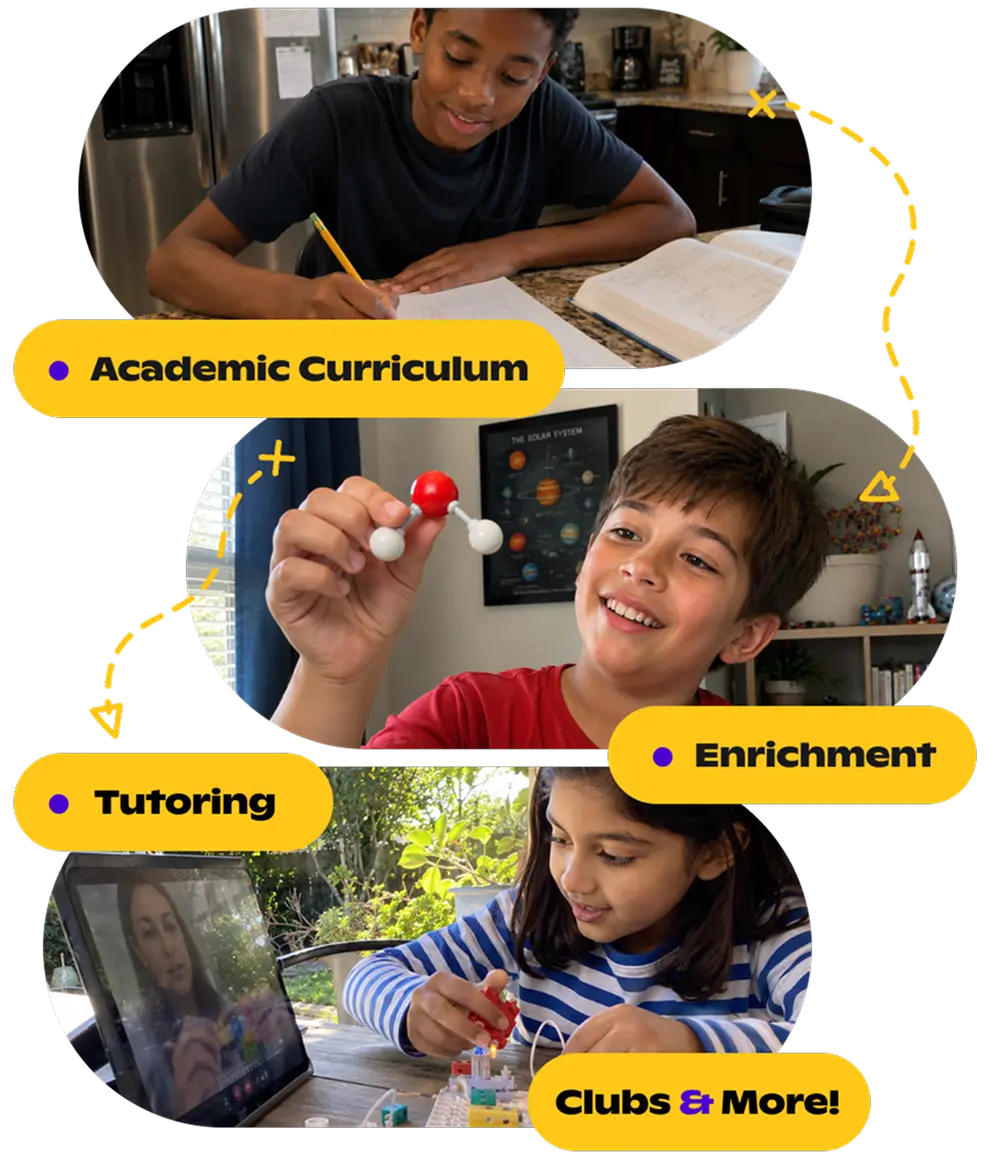
$20 off your first class WITH promo code: blog
Build the Education your Kid Deserves
Discover thousands of live classes taught by expert teachers, across academics and enrichment.
Browse classesConsider mixed-age interactions
Gifted children often relate well to older children or adults. Opportunities that can provide social experiences, feeling more natural for learners who think beyond their years, include:
- Mentorship programs with older students or professionals
- Volunteer opportunities in the community
- Multi-age homeschool co-ops
- Family-based clubs or hobby groups
These interactions also help children practice adapting their communication style to different audiences.
Build community through shared learning
Look for group learning experiences where your child can collaborate with others on meaningful projects. Science fairs, debate teams, theater productions, and academic competitions all provide opportunities for teamwork and connection, engaging your child's intellectual strengths.
Supporting social growth over time
Building social skills is a gradual process that unfolds differently for every child. Here's how to provide ongoing support while encouraging independence.
Provide guidance without hovering
Resist the urge to script every social interaction or solve every friendship problem. Instead, ask questions that help your child think through situations: "What do you think they meant by that?" or "How might you handle it differently next time?" This approach builds problem-solving skills they can use independently.
Normalize social challenges
Let your child know that everyone, including adults, sometimes feels awkward in social situations. Sharing your own experiences with navigating friendships can help your child feel less alone and more willing to keep trying when things don't go smoothly.
Watch for signs of progress
Social growth doesn't always look dramatic. Pay attention to small victories that signal your child is building confidence:
- Initiating a conversation without prompting
- Handling a disagreement calmly
- Showing flexibility during group play or activities
- Asking questions about someone else's interests
- Recovering more quickly from social setbacks
Acknowledging these moments builds confidence and reinforces positive social behaviors.
Stay connected to their experience
Check in regularly about how social situations are going, but avoid turning every conversation into an interrogation. Sometimes a simple "How was your time with Sarah?" opens the door for sharing, while other times your child might need space to process before talking.
Better social fit for gifted students: Frequently asked questions (FAQs)
Parents often wonder how to best support their gifted child's social development. Here are some common questions along with practical answers to guide your approach.
Why does my gifted child prefer talking to adults over kids their age?
Many gifted children seek out conversation partners who can engage with their interests at a deeper level. Adults often have more knowledge and patience for extended discussions on complex topics. This preference is normal and doesn't mean your child can't learn to connect with peers. Providing opportunities with like-minded children through interest-based classes or specialized programs can help them find peers who share their enthusiasm for deeper conversation.
How can I help my child who seems to dominate conversations?
Gifted children sometimes get so excited about their interests that they forget to leave room for others or listen as well as they talk. Practice turn-taking in conversations at home, and teach them to notice cues that indicate someone else wants to speak. You might also work on asking questions about others' interests, which shifts the focus and helps build reciprocal friendships.
What if my child says they don't need friends?
Some gifted children genuinely prefer solitary activities, and that's okay within reason. However, social skills remain important for life success and a balanced homeschooling journey. Rather than forcing friendships, focus on finding low-pressure social opportunities in areas they enjoy. Online learning communities can be a comfortable starting point for children who find in-person interactions overwhelming.
How do I know if my child's social challenges need professional support?
If your child shows persistent distress about social situations, experiences significant isolation, or exhibits behaviors that interfere with daily functioning, consider consulting a professional who specializes in gifted learners. According to research on parenting gifted children, specialists familiar with giftedness can help distinguish between typical developmental differences and concerns that warrant intervention.
Building confidence through connection
Social skills development for gifted learners isn't about changing who your child is. It's about helping them understand themselves and others while building tools for meaningful connection. With patience, practice, and the right opportunities, your gifted child can develop the social confidence they need to thrive.
When you're looking to expand your child's social world beyond your homeschool, Outschool offers a welcoming space for gifted learners to connect with peers who share their curiosity and passion for learning. From social clubs to academic enrichment, these classes provide structured opportunities for your child to practice social skills while engaging with topics they love.


.svg)
.svg)