Thank you! Your submission has been received!
Oops! Something went wrong while submitting the form.
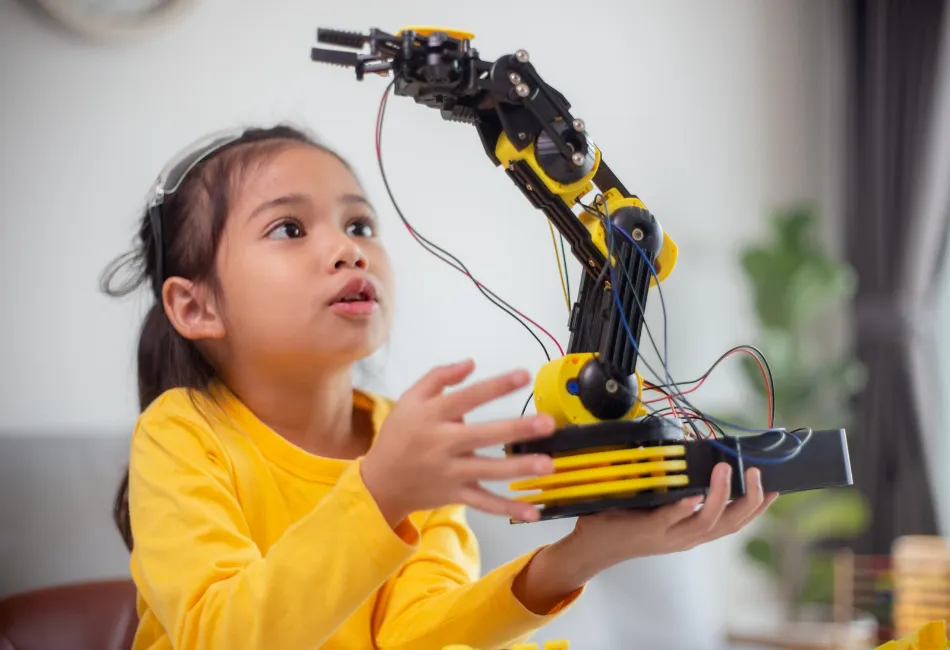
In an era of rapid technological advancements and global shifts, preparing learners for the future goes beyond teaching traditional subjects. The world is evolving in ways we can’t fully predict, but one certainty is the increasing demand for skills that enable adaptability, critical thinking, and lifelong learning. As educators, we play a crucial role in equipping students with the tools they need to thrive in this ever-changing landscape. This article explores the essential future-ready skills learners need and offers strategies for integrating them into your teaching practice.
Artificial intelligence (AI) and automation are transforming industries, reshaping how we work and learn. While some jobs may become obsolete, new opportunities are emerging that require a blend of technical expertise and human-centric skills.
💻 Digital Literacy: Understanding how to use and navigate technology responsibly and effectively.
Example: Teach learners how to critically evaluate online sources, ensuring they can distinguish between reliable and misleading information.
🤖AI Awareness: Familiarity with how AI operates and impacts daily life.
Example: Introduce activities where learners explore AI tools like chatbots or image recognition, sparking discussions on ethical implications.
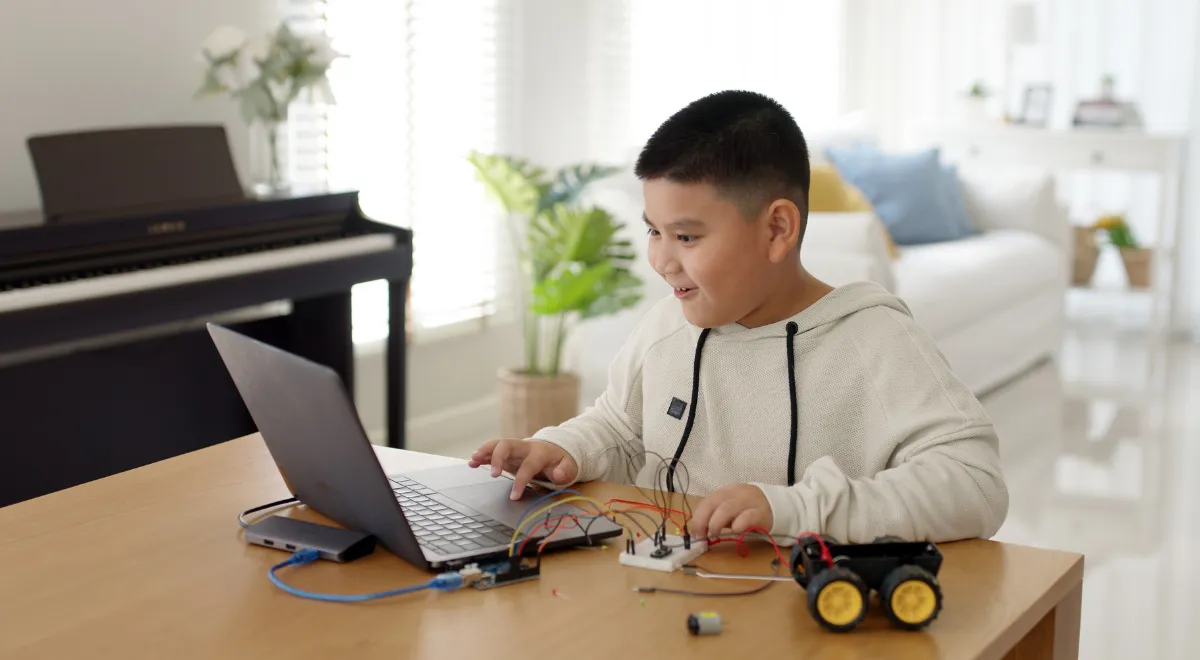
👩💻Programming and Data Analysis: Basic coding and data interpretation skills prepare learners for a tech-forward future.
Example: Offer classes on coding basics or data visualization using tools like Scratch or Google Sheets.
As technology handles routine tasks, human ingenuity becomes even more valuable. Critical thinking and problem-solving skills are essential for navigating complex challenges and making informed decisions.
💬Socratic Questioning: Encourage deep thinking by asking open-ended questions that challenge assumptions.
Example: In a science class, pose questions like, “How might this discovery impact future generations?”
🧱Project-Based Learning: Design activities where learners solve real-world problems collaboratively.
Example: Task students with creating a sustainable community plan, integrating math, science, and social studies concepts.
🪞Reflection: Build regular moments of reflection into lessons, encouraging students to analyze their thought processes.
Example: After completing a project, ask learners to identify what strategies worked and what they would change next time.
In addition to technical and cognitive skills, learners need life skills that support resilience, adaptability, and emotional intelligence. These competencies help them thrive in uncertain and dynamic environments.
🎭Emotional Intelligence (EQ): The ability to recognize, understand, and manage emotions.
Example: Use role-playing activities to teach empathy and active listening.
🤸♀️Adaptability: Flexibility to pivot and embrace change.
Example: Create simulations where learners must adjust plans based on new information or unexpected challenges.
⏰Time Management and Self-Direction: Skills for setting goals and staying organized.
Example: Incorporate tools like digital calendars or planners into lessons, teaching students to manage deadlines effectively.
The future belongs to those who embrace continuous learning. By fostering curiosity and a growth mindset, educators can inspire students to see learning as a lifelong journey.
Outschool’s ACE Framework—focused on Agency, Community, and Expertise—provides a strong foundation for preparing learners for the future.
As educators, we are tasked with preparing students for a world that doesn’t yet exist. By focusing on future-ready skills—from AI literacy and critical thinking to emotional intelligence and lifelong learning—we can equip learners to adapt, innovate, and thrive in the face of uncertainty. The future may be unpredictable, but with the right tools, our students will be ready to navigate it confidently.
We’d love to hear your thoughts! Help us improve by sharing your feedback on this article and suggesting topics you’d like to see in the future. Click here to take our quick survey!
Set your own schedule, price, and curriculum, and reach motivated learners around the world.