Thank you! Your submission has been received!
Oops! Something went wrong while submitting the form.
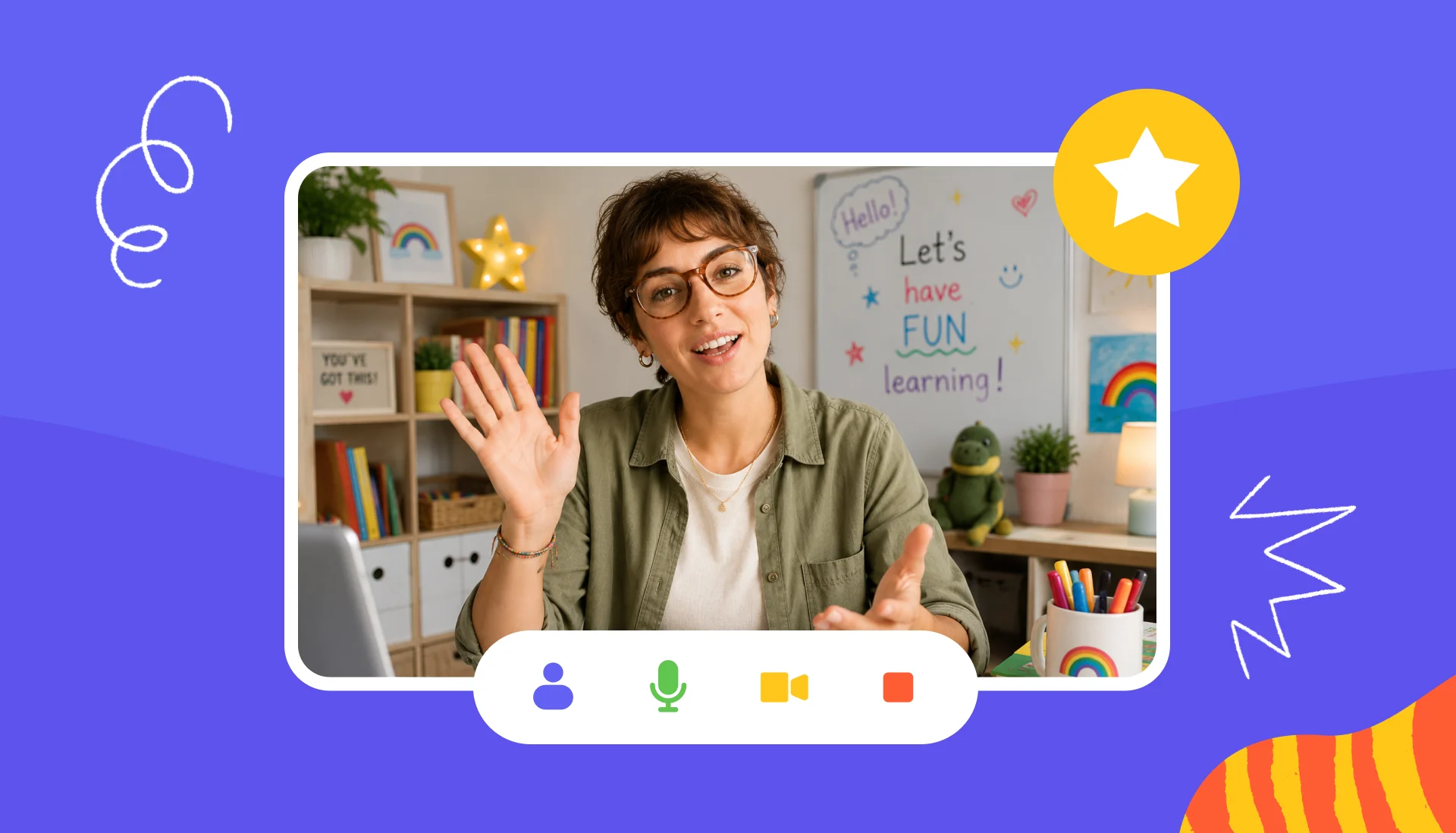
It’s easy to rely on slide decks and screen sharing when teaching online, but the most impactful classes go beyond passive presentation. Active learning transforms your virtual classroom into an engaging, interactive space where learners participate, create, and collaborate.
In this guide, we’ll explore why active learning is essential, share practical alternatives to screen sharing, and offer reflection prompts to assess and improve the interactivity of your classes. Let’s push beyond the basics to create dynamic, multi-modal learning experiences that keep learners excited to return.
Active learning involves learners doing something—analyzing, discussing, or creating—rather than just passively receiving information.
The Benefits of Active Learning:
Pro Tip: Aim to create opportunities for learners to interact every 5–10 minutes.
Break learners into small groups for discussions, role-playing, or collaborative problem-solving.
Incorporate videos, audio clips, or animations to bring concepts to life.
Tools like Scratch, Padlet, or Nearpod make lessons collaborative and fun.
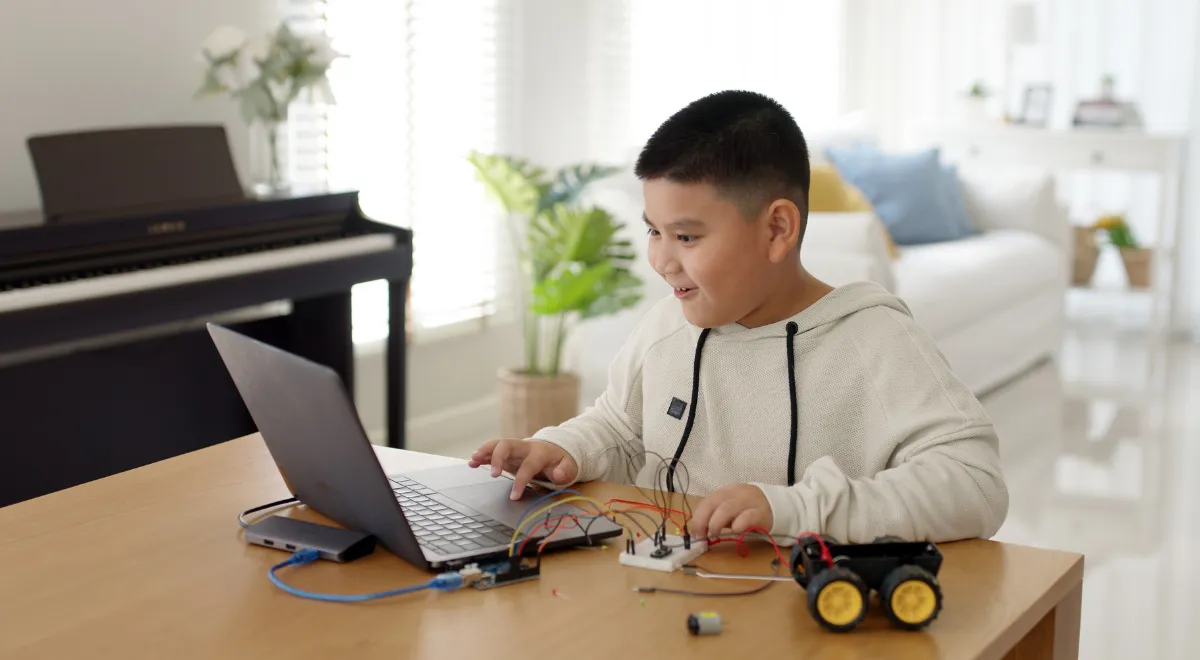
Encourage learners to work together to create something tangible.
Send learners on a scavenger hunt around their home or have them build, draw, or write something during class.
Active learning thrives on multi-modal approaches—using more than one method of teaching.
Examples of Multi-Modal Learning:
Pro Tip: Balance visual, auditory, and kinesthetic activities to engage diverse learning styles.
After each class, ask yourself:
Encourage learners to share feedback, too. Simple questions like “What did you enjoy most about today’s class?” or “What would you like to do differently next time?” can offer valuable insights.
Let’s move beyond slide decks and screen sharing! Explore how active learning strategies can transform your classes into dynamic, learner-centered experiences.
Set your own schedule, price, and curriculum, and reach motivated learners around the world.