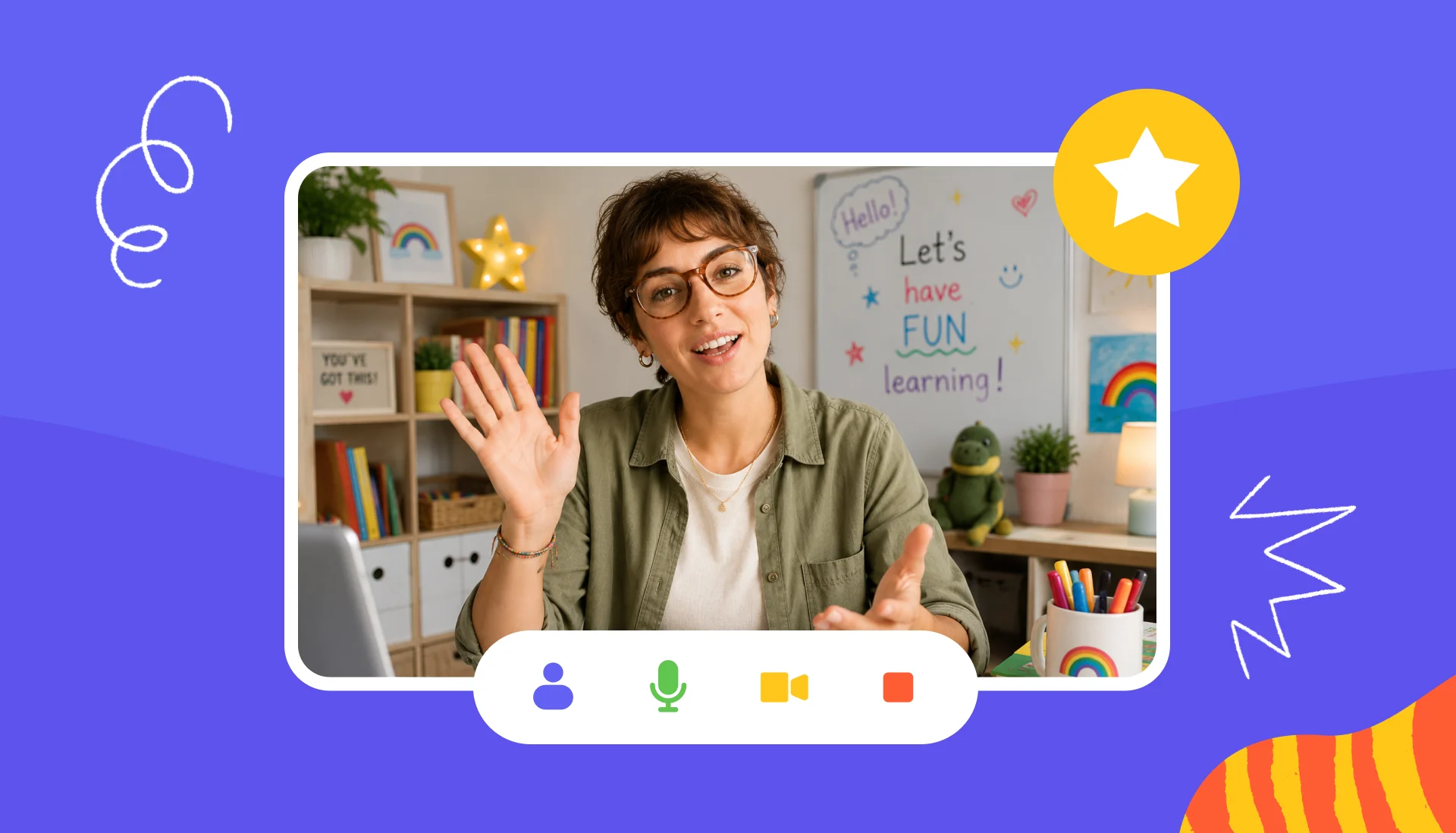
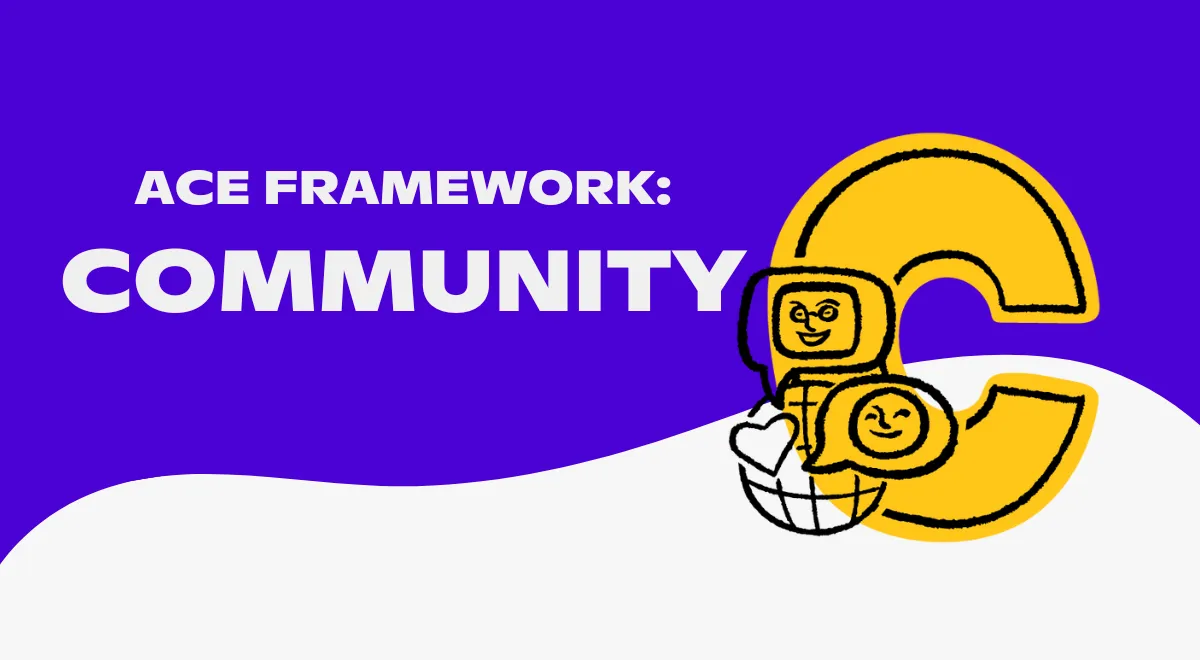
Community in the ACE Framework focuses on fostering a sense of belonging and collaboration among learners. A strong learning community encourages students to support one another, engage in meaningful discussions, and contribute to a shared learning experience. When educators prioritize community, they create a welcoming and inclusive environment where learners feel valued and empowered to participate actively.
How Community Presents Itself Through Educator Actions
Educators who prioritize community:
🤝 Establish clear norms for respectful and inclusive interactions.
💬 Facilitate collaborative learning experiences like peer discussions and group projects.
🌎 Foster cultural responsiveness and inclusivity in curriculum and interactions.
🏆 Celebrate learner contributions and accomplishments.
🔄 Encourage constructive feedback and reflection within the group.
👂 Actively listen to and incorporate student perspectives.
🎭 Use storytelling, personal connections, and shared experiences to build rapport.
🏗️ Create structured opportunities for learners to support one another.
How Community Presents Itself Through Learner Actions
Learners in a strong community:
🤝 Support and encourage their peers.
💡 Contribute to discussions with respect and openness.
🗣️ Express their thoughts while valuing diverse perspectives.
📢 Participate in collaborative problem-solving activities.
🌟 Recognize and celebrate the achievements of others.
Why Community is Important
- Boosts Engagement & Participation: Learners feel more comfortable engaging when they belong to a supportive group.
- Develops Communication & Social Skills: Collaborative learning enhances empathy, listening, and teamwork.
- Encourages Risk-Taking in Learning: Students are more willing to challenge themselves when they feel safe in their learning environment.
- Enhances Retention & Enjoyment: Learning becomes a shared experience, fostering motivation and commitment.
- Builds Lifelong Connections: A strong community can lead to lasting relationships and networks beyond the classroom.
Examples of Community Across Ages & Subject AreasAge GroupAcademic ExampleSocial Club ExampleEarly Childhood (Ages 3-7)Engaging in group storytime where students contribute ideas.A virtual circle time where learners share something about their day.Elementary (Ages 8-12)Participating in peer review activities for writing assignments.A book club where students discuss a shared reading experience.Middle School (Ages 13-15)Collaborative science experiments where students share observations.A virtual escape room challenge that encourages teamwork.High School (Ages 16-18)Group discussions analyzing historical events from multiple perspectives.A debate club where students refine their arguments with peer support.Adult Learning & Professional DevelopmentEducators engaging in peer mentorship programs.Educators co-hosting discussions on best teaching practices.
Indicators of Alignment in Previously Completed Professional Learning
Educators can evaluate their past professional learning for alignment with Community by asking:
- Did the session encourage collaborative learning and student interaction?
- Were strategies provided for fostering a positive and inclusive classroom culture?
- Did it emphasize culturally responsive teaching practices?
- Were there opportunities to practice active listening and peer feedback?
Recommended Organizations for Aligned Professional Learning
For educators looking to deepen their understanding of community-building, consider:
- Responsive Classroom – Focuses on building positive and inclusive learning environments.
- Edutopia – Offers research-based strategies for fostering classroom communities.
- Teaching Tolerance (Learning for Justice) – Provides PD on cultural responsiveness and equity.
- National Equity Project – Helps educators implement equity-centered learning approaches.
- Character Lab – Resources on developing strong classroom cultures through relationships.
Next Steps
- Explore the requirements for obtaining your ACE Educator status on Outschool. Building a strong learning community is an essential step toward earning your Star or Rising Star badge and demonstrating excellence in online teaching.
- Complete ACE-aligned professional learning and implement community-building strategies in your classes.
- Continue engaging in learning and discussion: Join workshops and professional networks to share strategies for fostering classroom community.
- Connect with other educators in the Outschool Educator Community to exchange ideas and insights on effective community-building strategies.
By fostering a sense of community, educators create a safe, welcoming environment where learners thrive through collaboration and shared experiences.