Agency is the ability of learners to take an active role in their own education by making choices, setting goals, and engaging in self-directed learning. Within the ACE Framework, agency is fostered when educators design learning experiences that empower students to think critically, make decisions, and reflect on their learning journey.
How Agency Presents Itself Through Educator Actions
Educators who prioritize agency:
🎯 Offer choices in learning activities, projects, or assessment methods.
📝 Encourage goal-setting and reflection for students.
💡 Use inquiry-based learning and student-led discussions.
🏗️ Provide scaffolding that enables independence rather than dependence.
🗣️ Incorporate opportunities for student voice in curriculum decisions.
💪 Foster a growth mindset by encouraging effort, perseverance, and iteration.
📊 Use formative assessments to guide students in self-evaluation.
🔍 Encourage learners to take initiative in exploring topics of interest.
How Agency Presents Itself Through Learner Actions
Learners with a strong sense of agency:
🎯 Set and pursue personal learning goals.
🔄 Engage in self-reflection and self-assessment.
🗣️ Advocate for their learning needs and interests.
🤔 Demonstrate curiosity by asking questions and seeking resources.
🚀 Take initiative in problem-solving and exploring new ideas.
💪 Persist in challenging tasks and show resilience in the face of setbacks.
👥 Actively participate in discussions, projects, and peer collaboration.
Why Agency is Important
- Encourages Lifelong Learning: Students who develop agency become self-motivated, independent learners who can navigate challenges beyond the classroom.
- Enhances Critical Thinking & Decision-Making: Learners are more engaged when they are given the autonomy to make choices in their learning.
- Promotes Confidence & Ownership: When students have a say in their learning, they feel more invested in their success.
- Develops Problem-Solving Skills: Encouraging agency prepares learners to adapt and find solutions in real-world situations.
- Strengthens Engagement & Retention: Studies show that students who experience autonomy in learning are more likely to retain information and stay engaged.
| Impact Level | Description | Response Times (9am to 5pm NZT) |
|---|
| P1 | Will have a significant effect on the Customer’s business if the issue is not resolved with 24 hours and/or the incident is currently preventing a customer from charging. | 95% of tickets raised will be triaged and responded to in 1 hour. |
| P2 | Will have a moderate effect on the Customer’s business if not resolved within 24 hours and/or is impacting user experience. | 95% of tickets raised will be triaged and responded to in 6 hours. |
| P3 | Will have a minor effect on the Customer’s business if not resolved within 24 hours | 95% of tickets raised will be triaged and responded to in 24 hours. |
Indicators of Alignment in Previously Completed Professional Learning
If educators have previously completed professional learning, they can reflect on whether it aligns with Agency by asking:
- Did the learning experience encourage student choice and autonomy?
- Were there opportunities to design student-centered learning experiences?
- Did the session emphasize self-directed learning and metacognitive strategies?
- Were formative assessment and self-reflection emphasized?
Recommended Organizations for Aligned Professional Learning
For educators looking to deepen their understanding of agency, the following organizations offer valuable professional development:
- Facing History & Ourselves – Inquiry-based learning and student voice in history and social justice topics.
- EdWeb – A variety of self-paced and live professional development webinars related to student-centered learning.
- Project Zero (Harvard Graduate School of Education) – Focus on visible thinking and inquiry-based learning.
- The Buck Institute for Education (PBLWorks) – Training on project-based learning, which inherently promotes student agency.
- The Learner-Centered Collaborative – Supports educators in designing learner-driven experiences.
- CAST (Universal Design for Learning) – Provides strategies for creating flexible learning environments that support agency.
Next Steps
To take the next step in cultivating agency in your teaching practice:
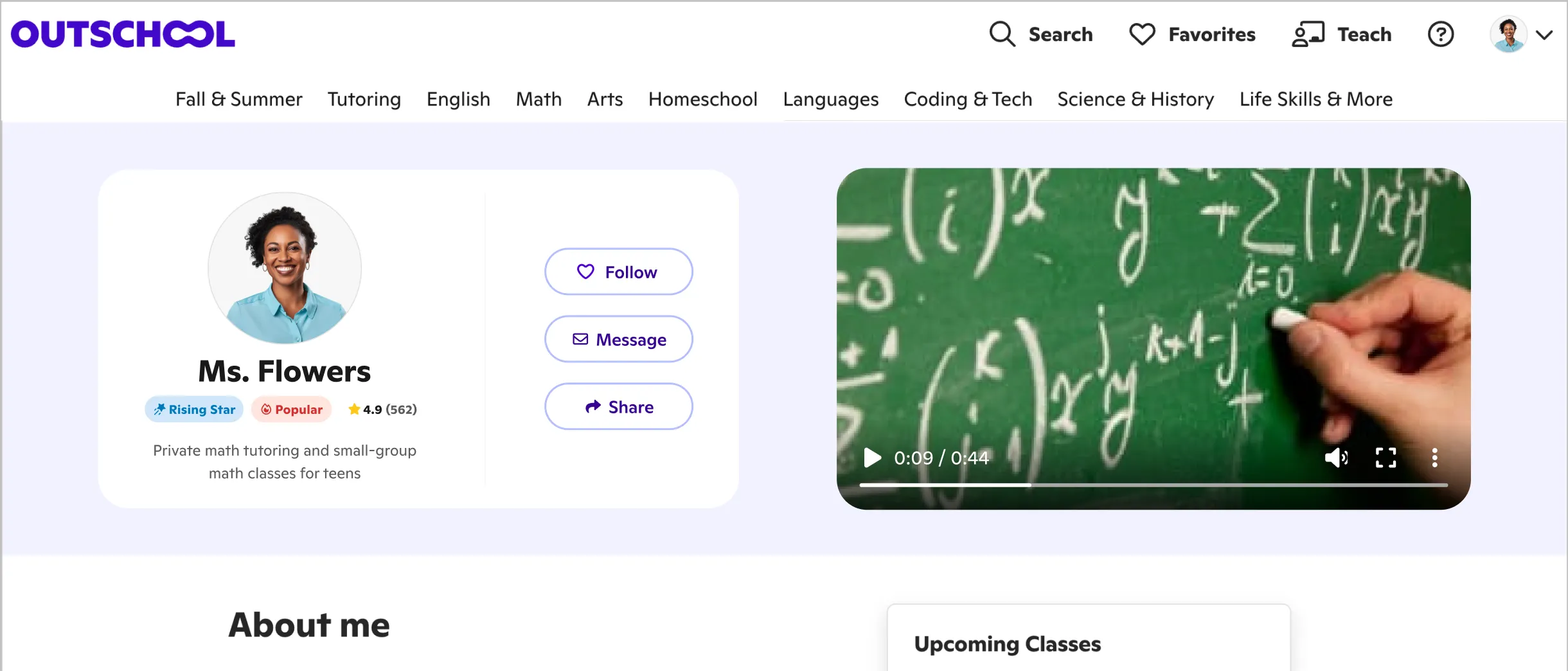
- Explore the requirements for obtaining your ACE Educator status on Outschool. Earning this status is the first step toward obtaining a Star or Rising Star badge and demonstrating excellence in online teaching.
- Complete ACE-aligned professional learning and integrate strategies to enhance student agency in your classes.
- Engage in ongoing learning: Once you have achieved ACE Educator status, continue participating in discussions, workshops, and professional learning opportunities to share and refine strategies.
- Join the Outschool Educator Community to collaborate with peers and explore additional insights for fostering agency in learners.
By prioritizing agency, educators create empowered, motivated learners who take charge of their education and carry these skills beyond the classroom.