Thank you! Your submission has been received!
Oops! Something went wrong while submitting the form.

Do you remember reading great books as a young person? They were and are a chance to travel to new places and times, become immersed in stories, and take a deep dive into topics of interest. Reading is a time of virtual exploration.
Kids today have so many digital media opportunities, you may have a moment of wondering if reading is still important. But books are still a place of learning. They can be a portal to information about advanced concepts, a shared time with others, and an experience that grows social and emotional skills and spurs brain development. But you probably already knew this—you’re an educator!
How can you tap into all those benefits and create online book clubs that families are searching for? We’ll dive into essential elements like how to make book clubs fun, how to choose books, and how to organize the class so that it runs seamlessly. Let’s get started!
Creating a book club that young people enjoy is a fundamental piece you need for success. What does a top-notch book club look like?

Is the point of your book group to bring together learners who love certain types of books and want to read and discuss them together? This kind of group follows learners’ interests and allows people with similar “likes” to discuss them together. You could analyze literature in this type of club and incorporate activities that create a learner-driven a social experience.
Are your groups more academic? For instance, are they centered on common books that all fourth-graders should read or encouraging reading for young learners? If this is the case, you may be teaching more about reading fundamentals or comprehension. Especially the latter may include elements like the book’s central conflict and resolution, main theme, and the meaning of new vocabulary words.
Perhaps you teach another subject altogether on Outschool. For example, maybe you teach art, and your book club will focus on reading books about different artists. After each book, learners will create art inspired by each artist’s style. This approach is a way that educators who teach subjects other than literature can bring book clubs into their class offerings.
Especially once learners can read fairly fluently, the goal of a book club is often to unpack what the words mean. You can do this through discussion and through book-related projects where learners follow their interests—art, maps, building, poetry—so that (you guessed it!) students are learning without even realizing it. They’re learning about a book while doing something they enjoy!
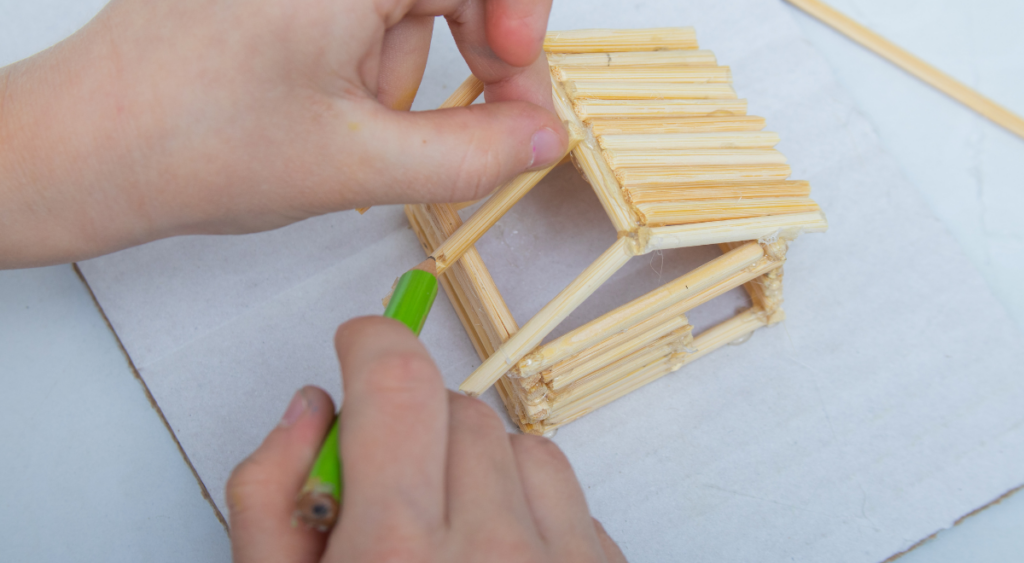
If you’re leading a class that focuses on one book for several weeks, give some ideas for at-home activities for learners to extend their learning in ways that are interesting to them. Some ideas for activities learners can complete outside of class include:
The type of books your book clubs read likely will depend on your expertise as an educator and what you teach on Outschool.

A few notes:
Not only do you need to consider learner age and types of books, but also think about what kind of reader you want the club to be for. Book clubs that cover a book a week will require readers to read at a higher level and have time to read books quickly.
An advantage to this approach is that new learners could join each week when a new book is highlighted. A disadvantage is that it’s not as easy for learners to do related external projects of interest outside of class because the class is moving on to the next book.
Book clubs that spread the book over several weeks are accessible to a wider range of readers since they have the advantage of more time to read the book and can dive into the book more deeply. However, a disadvantage to this format is that it’s harder for new students to join the class mid-book.
Decide how you will handle what happens if readers don’t read the whole book (or parts of the book) that you plan to discuss in class. Add a message in your class description about your philosophy in this area so that learners know.
Similarly, think about how you will manage the situation when learners read ahead and thus know information that others in the class aren’t ready to discuss.

Learners may have points they want to discuss about the book, but have a set of questions, including open-ended questions to stimulate critical thinking, to steer conversation. It’s always better to have more planned than less in case learners quickly move through questions.
Books are not created in a vacuum, so it can be valuable to help learners understand the context in which they were created. This may mean diving into aspects of a particular culture, a period in history, or an author’s life.
Watching a short video, for instance, of an author talking about how he managed dyslexia symptoms and still wrote award-winning books can help young people understand that people with all different types of abilities can write books. With this approach you’re building empathy and understanding that people have different abilities and can develop their gifts.
In addition to common Zoom tools like chat and polls, think about adding creative activities like using Zoom screen annotation for the group to draw a map of a character’s movements throughout the book. Or finish the class with time for learners to write a brief reflection on an aspect of the book and invite learners to read their written response aloud to the group.
You’ll have your own ideas about how to organize a book club meeting, but here’s a sample to get your ideas flowing:

Ready to create or refine your book clubs? Summer in particular can be a great time to offer book clubs. Learners are looking for summer friends and families want their children to brush up on reading skills.
We look forward to seeing your ideas about what makes a great book club on Outschool in your book club listings. Book clubs can be well attended year round, so list yours now!
Set your own schedule, price, and curriculum, and reach motivated learners around the world.